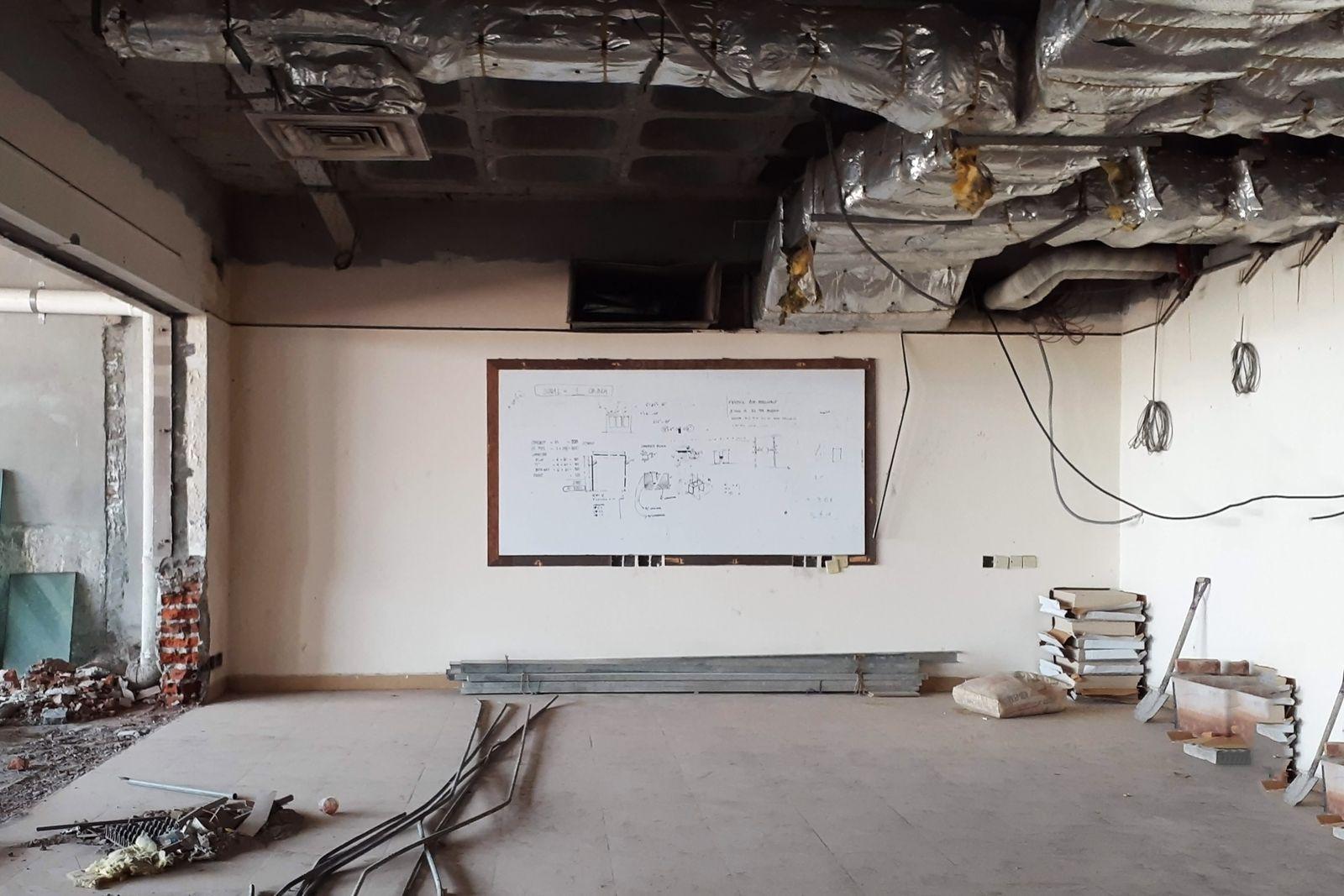
Turnkey Restaurant Packages vs. Custom Build-Out Financing
6 min readIllustrative guidance—not an offer
Few decisions shape an opening budget as much as the choice between taking over a turnkey restaurant space and building from a bare shell. A turnkey site arrives with a hood, a walk-in, plumbing, and often a working kitchen, while a custom build-out lets you design every detail but costs more time and money. This article compares the two approaches, shows how each affects financing, outlines typical costs, and explains how to structure equipment notes from $10,000 for a few replacements to $1,000,000 or more for a full custom concept.
Turnkey advantages
A turnkey space is a former restaurant that still has its infrastructure in place. The hood is installed, the grease interceptor is in the ground, and the plumbing and electrical are already sized for food service. You may need only cosmetic updates and a few equipment upgrades to open.
Speed is the biggest advantage. A turnkey site can open in six to twelve weeks, while a custom build-out frequently takes five to nine months. Faster openings mean earlier revenue, lower rent during construction, and less exposure to cost inflation.
Budget certainty improves. Because the major systems exist, surprises are fewer, though not eliminated. A good inspection by a mechanical contractor and a plumber before signing the lease reveals aging systems that may need replacement.
Custom build-out paths
A custom build-out offers freedom. You choose the layout, the equipment, and the ventilation. A concept that depends on a specific workflow, such as an open kitchen or a unique cooking method, benefits from design control.
Costs are higher and more variable. Core and shell work, utilities, ventilation, and finishes can run $150 to $400 per square foot in many markets, with equipment adding $50,000 to $400,000 depending on the concept. Permits and design fees add to the total.
Timelines depend on approvals and contractors. Lead times for hoods, walk-ins, and custom fabrication can reach twelve to twenty weeks. Start ordering early, and keep the schedule realistic.
Inspecting a turnkey space
Never assume that existing equipment works. Test refrigeration temperatures, check burners, inspect the hood and fan, and run the dish machine. Ask for service records and the date of the last suppression inspection.
Confirm what stays. Landlord and previous tenant agreements vary, and equipment may be owned by a lender, a leasing company, or the former tenant. Obtain a written list and a bill of sale, and make sure no liens attach to the items you plan to use.
Check code compliance. Kitchens built under older codes may not meet current requirements, and a change of ownership can trigger an upgrade. A plan review before you sign avoids unpleasant surprises.
Illustrative costs and comparison
A turnkey conversion with modest upgrades might require $40,000 to $120,000 for replacement equipment, a refreshed line, and minor repairs. A custom build-out for a similar concept could require $250,000 to $600,000 or more across equipment and construction, and a flagship restaurant with a full bar and custom millwork can exceed $1,000,000.
Financing equipment on each path differs. In a turnkey conversion, you may finance a handful of replacements, such as a $35,000 refrigeration package financed over sixty months for roughly $710 per month at an illustrative eight percent. In a build-out, an $250,000 equipment package over eighty-four months at nine percent costs about $4,030.
Rent matters too. During a long build-out you pay rent without revenue, which can add $20,000 to $100,000 to the real cost of the custom path. Include that figure when you compare options.
Choosing the right path
Choose turnkey when speed, budget certainty, and a conventional concept align. Choose custom when your concept depends on a distinctive kitchen or you cannot find a suitable turnkey location in the right market.
A hybrid is common. Many owners lease a turnkey space and replace the line, upgrade refrigeration, and add a bar. This approach captures much of the speed advantage while allowing key customizations.
Run both scenarios through a simple model: total project cost, time to opening, monthly payment, and break-even sales. The numbers usually point toward one answer, and they give you a persuasive story for any review.
Lease terms that affect the decision
The lease can matter as much as the kitchen. A turnkey space with a short term may not justify major equipment upgrades, since you could be forced to leave before the investment pays back. Aim for a lease term at least as long as the financing term, with renewal options that protect your location.
Negotiate for concessions. Landlords frequently offer free rent during construction, tenant improvement allowances, or contributions toward ventilation, and these concessions can narrow the gap between turnkey and custom budgets. Ask for them in writing, and understand whether they reduce rent later.
Clarify ownership of improvements. When you install a hood, interceptor, or walk-in in a leased space, the lease may classify them as fixtures that stay with the building. That classification affects how the equipment is documented and whether it can be removed at the end of the term.
Finally, check for exclusivity clauses, signage rights, and operating-hour limits. A turnkey location with restrictive terms may cost more in lost sales than it saves in construction.
Timeline comparison and risk
Time has a price. For every month of delay, a restaurant with a $12,000 monthly rent and $4,000 of other fixed costs spends $16,000 without earning revenue. Over a six-month difference between turnkey and custom schedules, that is nearly $100,000 of cash consumed before the first guest sits down.
Risk is not symmetrical. A turnkey space carries the risk of hidden aging systems, while a custom build-out carries the risk of cost overruns and schedule slips. Many owners hold back a reserve of fifteen percent in a build-out and ten percent in a turnkey conversion, which reflects the different uncertainty.
Think about opening season as well. A summer opening for a patio concept or a pre-holiday opening for a bakery can be worth far more than a perfect kitchen that arrives after the peak.
Financing structure for each path
Turnkey deals usually involve smaller, more frequent equipment notes. An operator might finance a new fryer bank in the opening month and a walk-in compressor a year later. Keeping a clean record on each note helps with the next request.
Build-outs favor a single larger schedule tied to delivery milestones. When the equipment list is complete and the vendors are chosen, one note covering the whole package simplifies payments and gives a single reference point for insurance and compliance records. Whichever path you choose, share the timeline early so that funding can follow the delivery calendar instead of lagging it.
Decision checklist
Before you sign a lease or order equipment, work through this list. It helps you compare the two paths objectively and gives your financing file a solid foundation.
- Independent inspection of hood, refrigeration, plumbing, and electrical.
- Written inventory of equipment that stays with the space.
- Lien check on existing equipment.
- Two-path cost comparison including rent during construction.
- Permit and plan review feedback from the city.
- Equipment schedule with serial numbers or dealer quotes.
Frequently asked questions
Can I finance equipment that came with a turnkey space? If title is clear and the equipment is documented, it may qualify, although condition and age affect terms.
What if the landlord offers a tenant allowance? Allowances reduce the amount you need to finance, and the paperwork should show which items the allowance covers.
Is a mixed approach allowed? Yes. Replacement equipment in a turnkey space and new systems in a build-out can be combined on a single schedule when planned together.
How do I begin? No credit check to inquire lets you explore the structure before you commit, and credit from 500 to 800+ FICO is considered when you submit a formal file.
Related guides
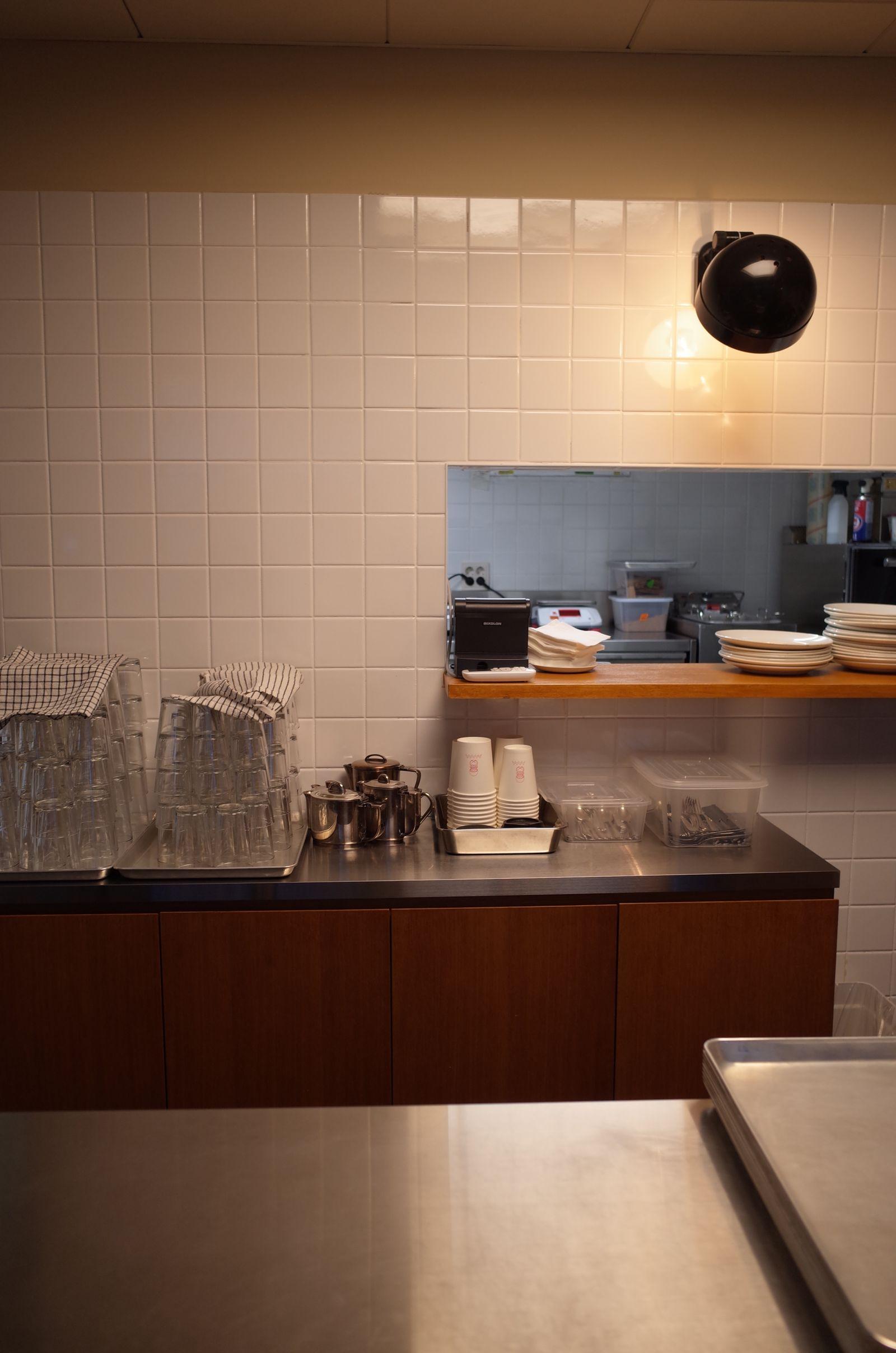
Used Restaurant Equipment at Auction: Financing Checklist
Finance auction restaurant equipment with clear title and inspection. $10k–$1M+. No credit check to inquire. RestaurantEquipmentFinancing.org.
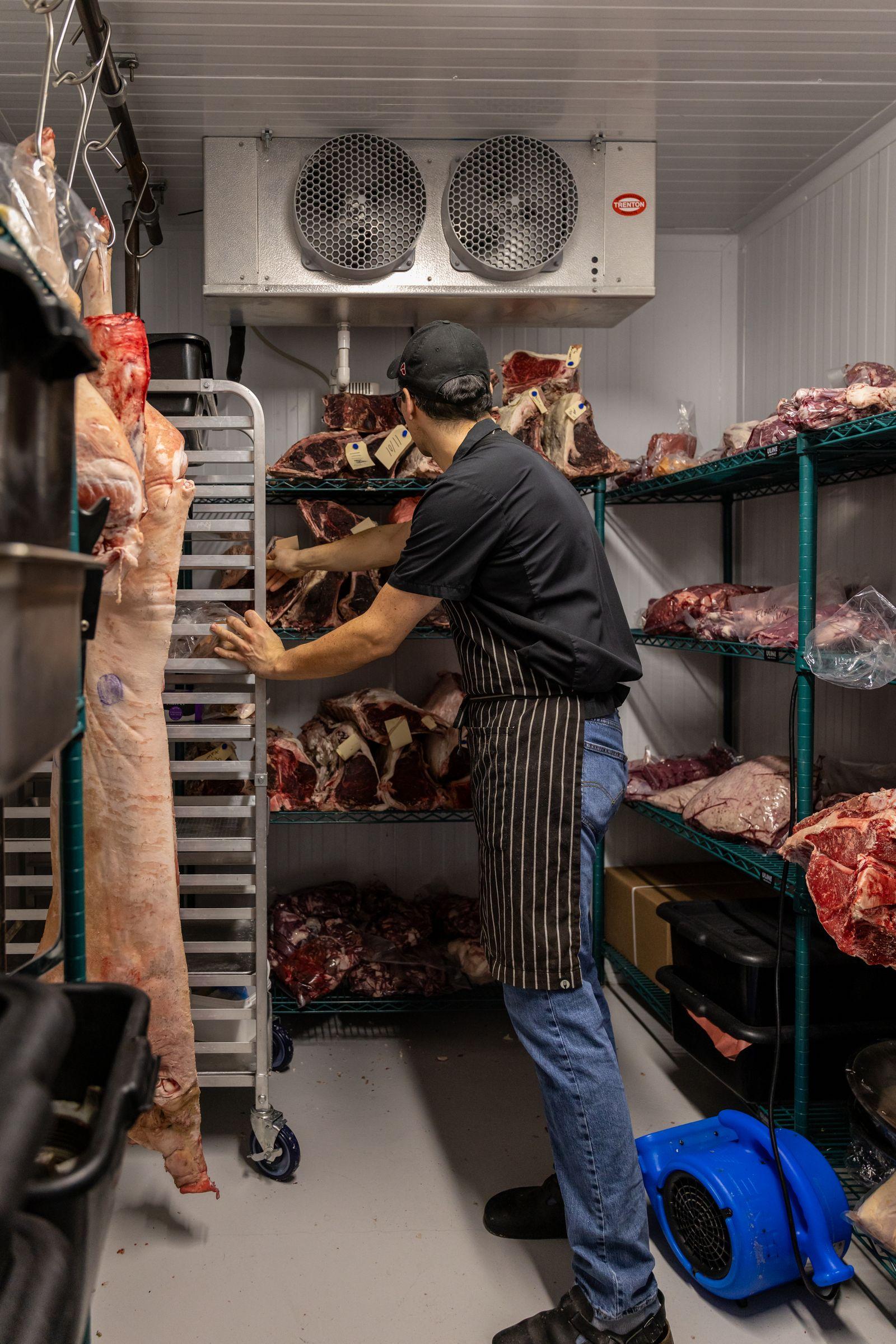
Walk-In Cooler and Freezer Financing: Sizing, Quotes, and Terms
Finance walk-in coolers and freezers for restaurants from $10k to $1M+. No credit check to inquire. Credit from 500 to 800+ FICO. RestaurantEquipmentFinancing.org.
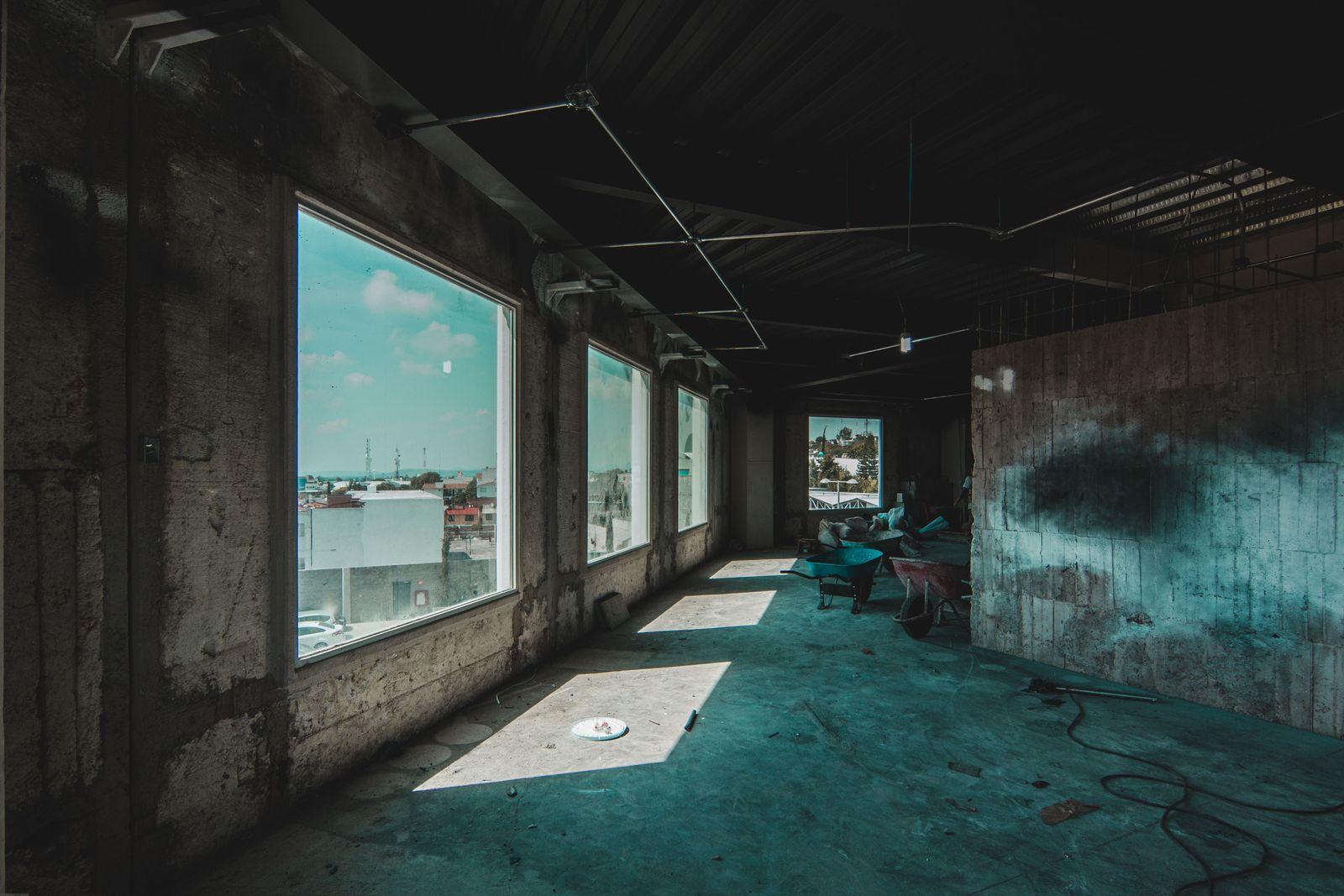
Second Location Equipment Rollout: Financing Unit Two
Finance equipment for a second restaurant location. $10k–$1M+. No credit check to inquire. RestaurantEquipmentFinancing.org.