Walk-In Cooler and Freezer Financing: Sizing, Quotes, and Terms
7 min readIllustrative guidance—not an offer
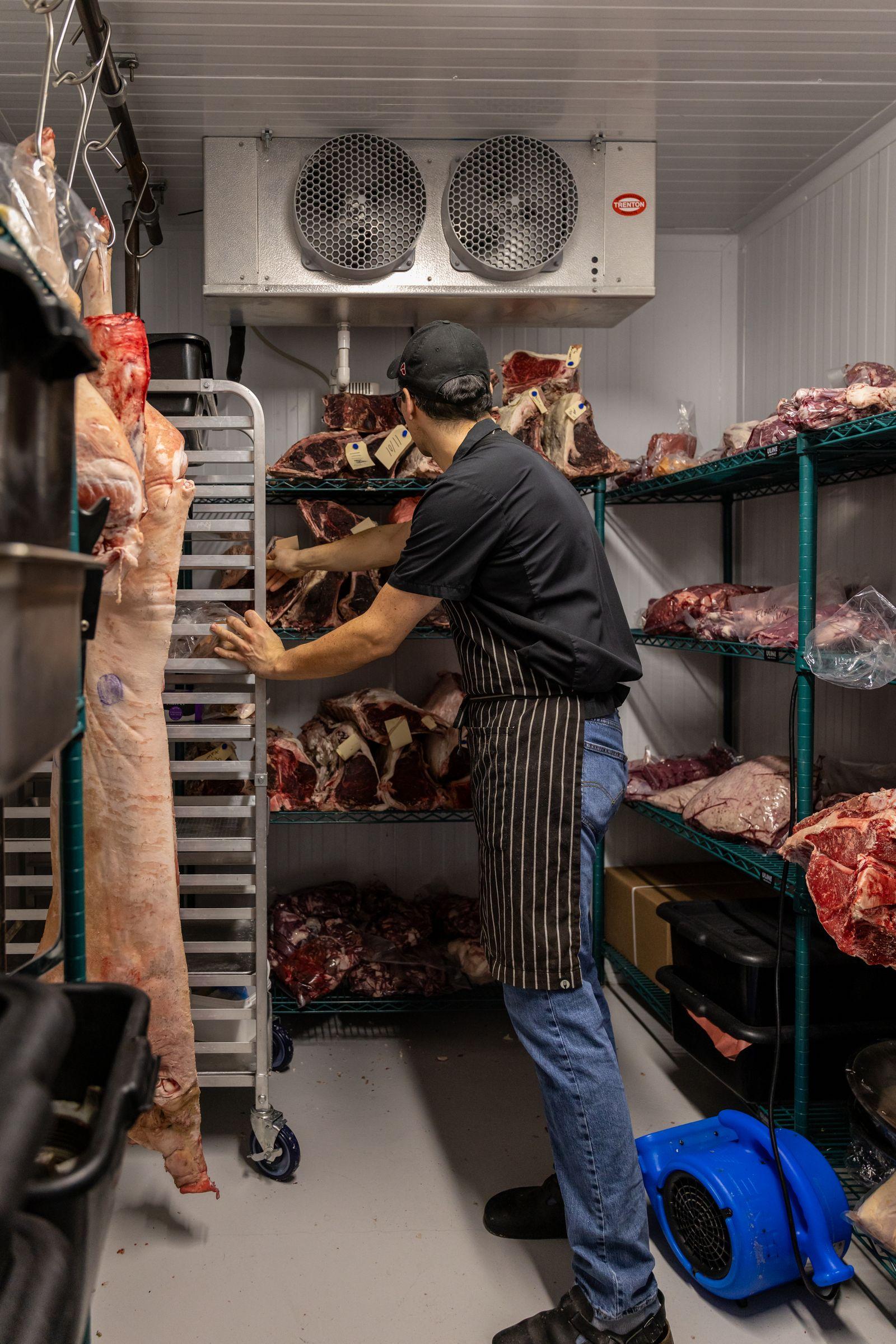
Walk-in refrigeration decides how much product you can buy, how fast your prep team moves, and whether an inspector leaves with a clean report. A box that is too small forces extra deliveries and wasted labor, while one that is oversized burns electricity all year. This guide walks through sizing, quote comparison, installation details, and the way a walk-in cooler or freezer fits into a financing request that can range from $10,000 for a compact box to $1,000,000 or more when it is part of a multi-unit program.
New box vs. refurbishment
A new modular walk-in arrives as insulated panels, a door assembly, a floor package if you want one, and a refrigeration system sized to the box. Panels are typically four inches thick for coolers and four to five inches for freezers, with cam-lock joints that seal when assembled correctly. New units carry a manufacturer warranty on panels and a separate warranty on the compressor, which matters because the refrigeration system is where most failures occur.
Refurbished boxes recondition used panels, replace gaskets, and often pair them with a new or rebuilt condensing unit. They cost less, sometimes by a third, and they can be a sensible answer when the footprint is standard and the panels are in good shape. The risk is hidden damage: crushed foam cores, delaminated skins, or rust at the base that does not show until the box is disassembled. Ask for panel photos, the age of the original unit, and the scope of work the refurbisher performs.
Whichever route you choose, confirm that the quote names the compressor brand, the refrigerant type, the evaporator model, and the controller. Those four details determine energy cost and parts availability for the next decade. A lender cares about them too, because serial numbers on the condensing unit and evaporator identify the collateral.
Sizing the box to the menu
Start with how many days of product you want on hand. A neighborhood bistro that receives deliveries three times a week might be comfortable with a six-by-eight cooler, while a high-volume brunch spot that receives bulk produce and dairy twice weekly may need ten-by-twelve. Count shelving, not just floor area, because wire shelving along three walls typically leaves a usable aisle of thirty inches, the minimum most crews can work in safely.
Freezers deserve separate thought. Many kitchens do well with a reach-in freezer line until volume grows, then add a walk-in freezer in a later phase. If you know the second box is coming, ask the dealer to quote both together, because shared panels, a common wall, and a single installation visit reduce cost. A financing structure can cover both in one note even if one is delivered months after the other, provided the schedule is documented.
Do not forget growth. A box that fits today's menu might feel cramped after you add catering, and outgrowing refrigeration is one of the more expensive ways to learn the lesson. Adding two feet to one dimension during the original purchase usually costs far less than replacing the entire box later.
Price drivers lenders and dealers review
Four things move the price more than any other: the size of the box, the temperature range, the refrigeration configuration, and the site conditions. Larger boxes cost more per cubic foot up to a point, then plateau. Freezers cost roughly forty to sixty percent more than coolers of the same dimensions because of thicker panels, heated door frames, and larger compressors.
Configuration is the second driver. A self-contained unit mounted on the box is simpler and cheaper to install, while a remote condensing unit on the roof or a rear pad is quieter inside and more efficient in hot kitchens, but requires line sets and electrical work. Site conditions round it out: a slab that must be saw-cut, a ceiling that needs a structural curb, or a long refrigerant run can add several thousand dollars.
Lenders read these details because they define what is being financed. An invoice that lists panels, door, condensing unit, evaporator, controller, shelving, and installation as separate items is easier to review than a single line item labeled walk-in cooler.
Illustrative costs and terms
The ranges below are planning figures for installed boxes in typical markets. A six-by-eight cooler commonly lands between $8,000 and $15,000. A ten-by-twelve cooler runs roughly $18,000 to $32,000. Walk-in freezers in the same footprints run about $12,000 to $22,000 and $28,000 to $48,000. Combination coolers with a freezer section, used in larger restaurants and commissaries, often reach $55,000 to $90,000 once remote refrigeration and floors are included.
Financed over sixty to eighty-four months, a $25,000 box carries a payment in the neighborhood of $500 to $550 a month at current illustrative rates. A $75,000 combination package lands closer to $1,300 to $1,550 a month. These numbers exclude any down payment and are meant only to frame expectations before you review actual quotes.
Used or refurbished boxes shift the arithmetic. A reconditioned ten-by-twelve cooler may cost $11,000 to $20,000 and finance over a shorter term, because the panels have less remaining life than new ones. Compare the total cost across the full term rather than the monthly payment alone.
Health code, inspection, and installation timing
Health departments check walk-ins for NSF-listed shelving, accurate thermometers, cleanable floors, and proper drainage. Many jurisdictions require the floor to be sealed with a coved base or a metal floor package, and a few demand that condensate lines terminate at an approved drain rather than a floor sink. Build these requirements into the quote, not into change orders.
Installation sequencing matters as well. The slab or floor must be level within a quarter inch over the footprint, electrical service should be roughed in with a disconnect near the condensing unit, and the ceiling must allow clearance for the evaporator. Dealers who survey the site before quoting save you from the surprise of discovering that a sprinkler head or beam blocks the evaporator.
Plan for start-up and temperature pull-down. A newly installed freezer can take twelve to twenty-four hours to reach operating temperature, and inspectors will not sign off until the box holds it. Schedule the installation at least a week before your health inspection to leave room for a service call.
Cash flow and power costs
Refrigeration is among the largest electricity loads in a restaurant, and a poorly specified box can add several hundred dollars a month to utility bills. High-efficiency evaporator fans, LED lighting, strip curtains, and automatic door closers each trim consumption. Ask the dealer to estimate annual kilowatt hours, and compare the figures between brands when the purchase prices are close.
Some utilities offer rebates for efficient commercial refrigeration, which can offset a meaningful part of the premium for upgraded components. Rebate programs often require pre-approval, so check before ordering, and keep the paperwork with your equipment file.
When you model cash flow, include the note payment, the electricity, and a maintenance reserve of a few hundred dollars a year for gaskets, fans, and a cleaning visit for the condenser coils. Neglected coils are the most common reason a compressor fails early.
File checklist
A tidy file shortens the review and gives your dealer a clear path to scheduling. Gather the following before you ask for a funding timeline, and send updates as quotes are revised so that every document reflects the final scope.
- Itemized dealer quote with panel, condensing unit, evaporator, controller, and shelving listed separately.
- Site photos showing the intended location, ceiling height, and electrical panel.
- Proof of insurance or the agent's contact details.
- Lease or ownership documents confirming the space.
- Target delivery and installation dates coordinated with the contractor.
- Utility rebate pre-approval, when applicable.
Frequently asked questions
Can the installation labor be financed along with the box? Yes, when installation is itemized on the seller's quote and is necessary to place the walk-in in service, it can be included. Site work such as trenching or structural reinforcement may need a different funding source.
Does a freezer need a different structure from a cooler? Not usually. Both can be financed on the same note, though a shorter term may suit boxes with lower expected life or heavy-use compressors.
What if I am replacing a failed compressor rather than the whole box? Replacement condensing units and evaporators from $10,000 and up can often be financed on their own, which helps when a failure interrupts service and cash is tied up in inventory.
How do I begin? Share the quote and your timeline. No credit check to inquire means you can see how the structure might look before you decide to submit a formal file, and credit from 500 to 800+ FICO is considered when you do.
Related guides
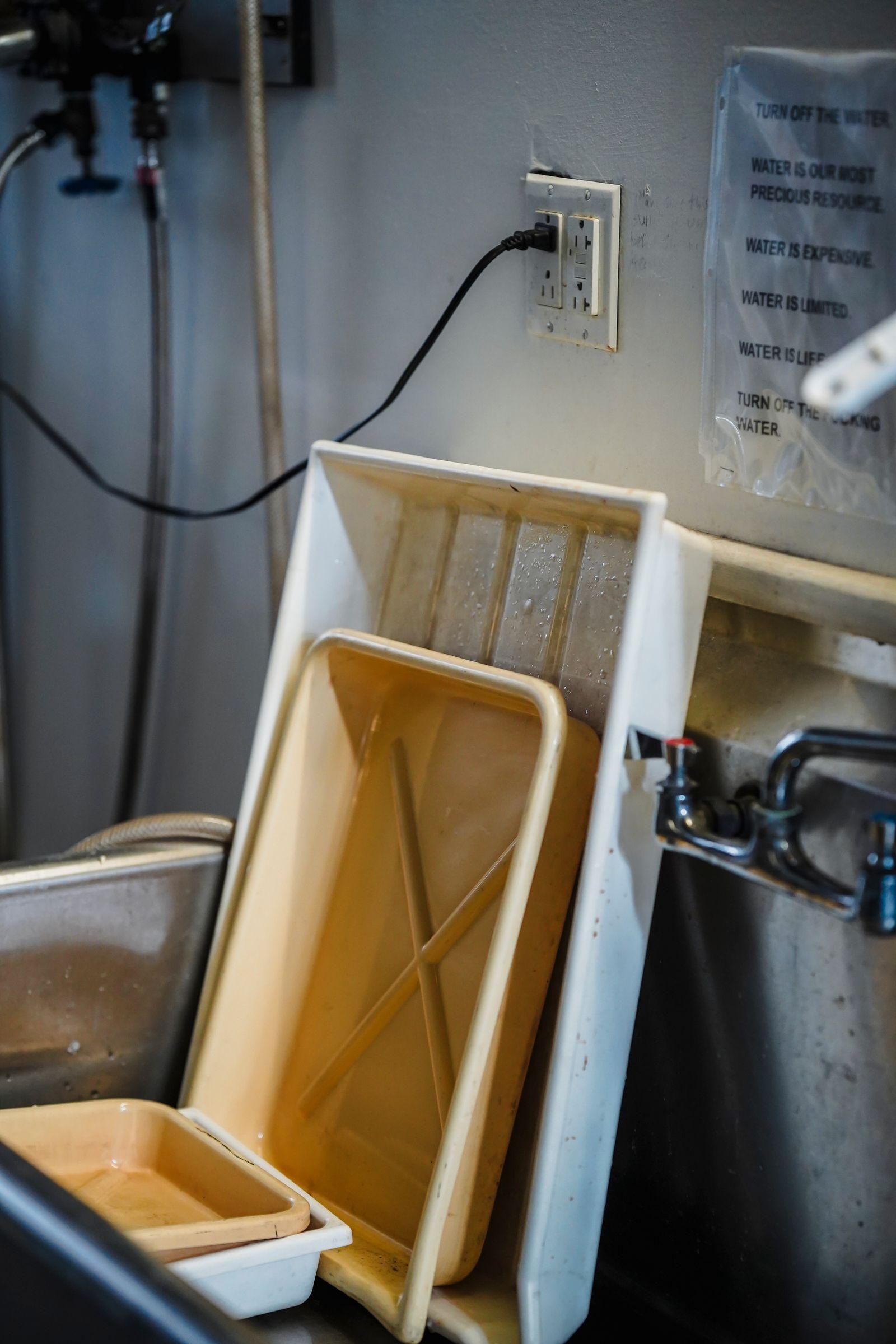
Grease Trap and Kitchen Infrastructure Loans
Finance grease interceptors and kitchen infrastructure tied to equipment packages. $10k–$1M+. RestaurantEquipmentFinancing.org.
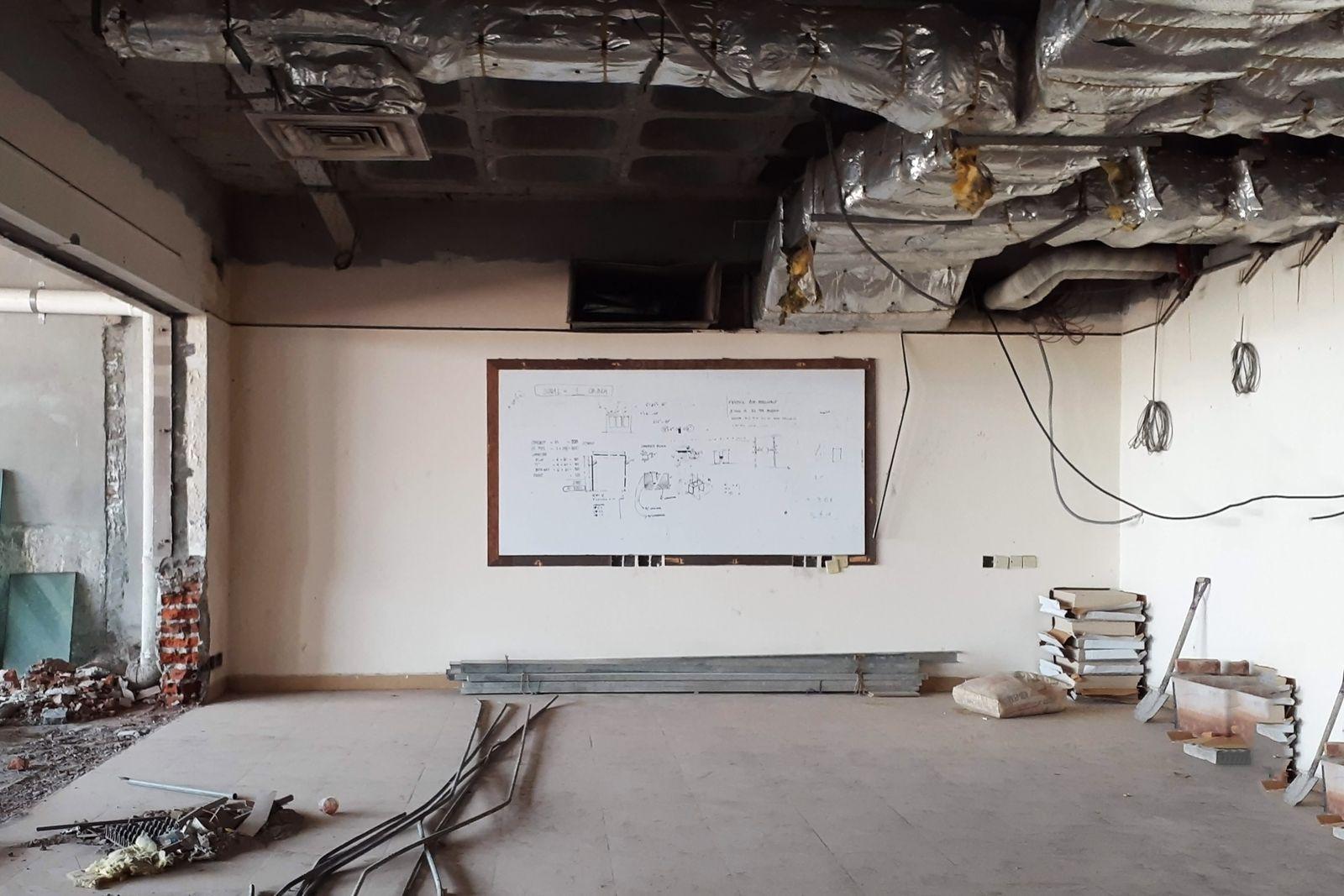
Turnkey Restaurant Packages vs. Custom Build-Out Financing
Compare turnkey restaurant equipment packages with phased build-out financing. $10k–$1M+. RestaurantEquipmentFinancing.org.
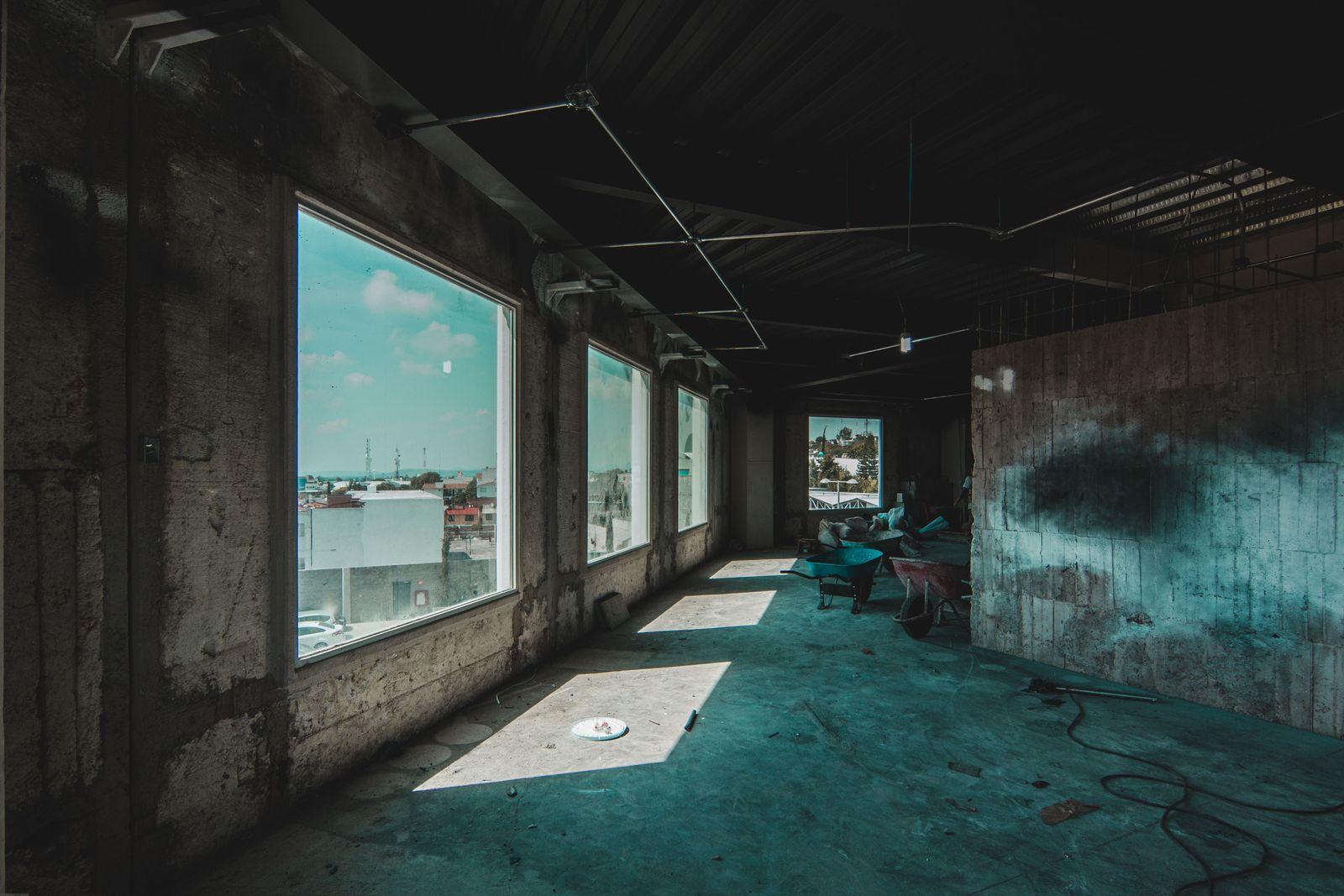
Second Location Equipment Rollout: Financing Unit Two
Finance equipment for a second restaurant location. $10k–$1M+. No credit check to inquire. RestaurantEquipmentFinancing.org.