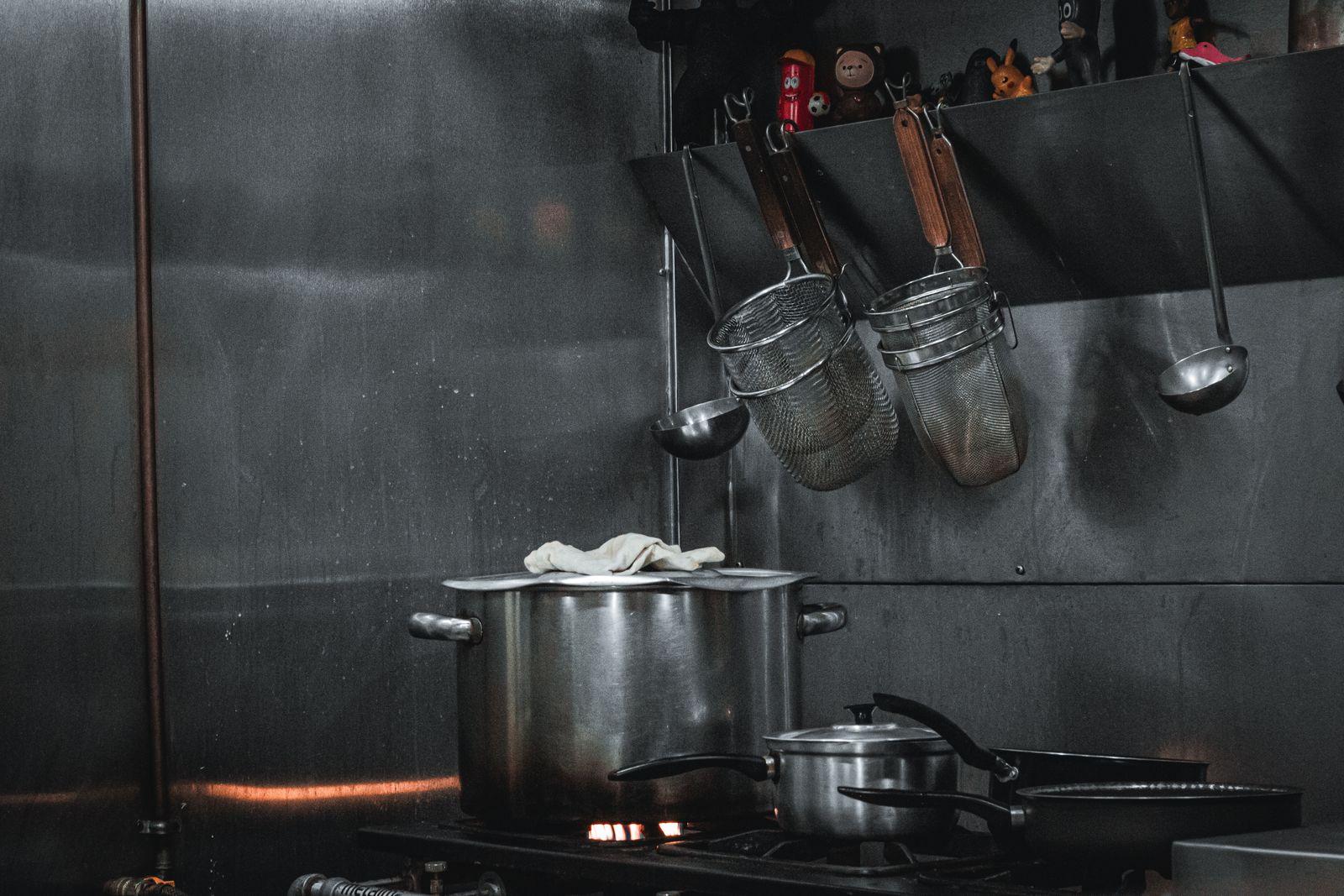
restaurant equipment financing
Restaurant equipment financing for kitchens that perform
11 min read · 10 FAQs
A kitchen earns money only while every station on the line is working, which is why equipment decisions deserve the same rigor as a lease negotiation or a menu launch. RestaurantEquipmentFinancing.org works with independent restaurateurs, franchisees, cafe owners, and food service groups who need to spread the cost of ranges, walk-in refrigeration, ventilation, point-of-sale hardware, and bar systems across a predictable payment schedule. Deal sizes run from $10,000 for a targeted replacement up to $1,000,000 or more for a full-store package or a multi-unit rollout. With no credit check to inquire, you can compare structures against your dealer quotes, and move forward only when the numbers fit your projected prime cost. The sections below explain how the process works when inspection dates, hood balancing, and soft-open deadlines matter as much as paperwork.
What restaurant equipment financing covers
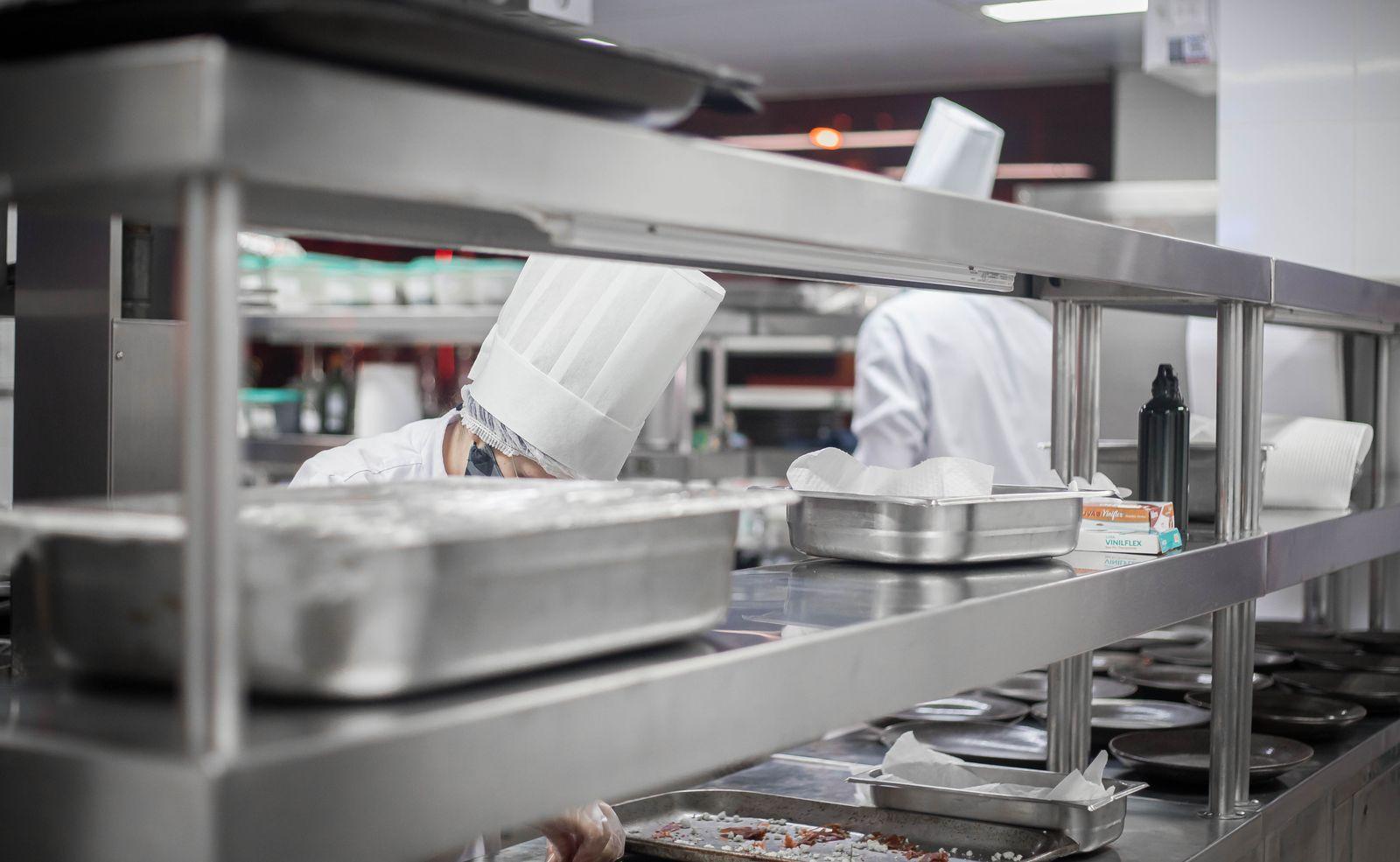
Restaurant equipment financing is a term note secured by the machines you are buying. The cooking line, reach-in and walk-in refrigeration, dish machines, ventilation hoods, fire suppression, stainless fabrication, ice machines, and beverage hardware are all common collateral, as long as each item appears on a dealer, consultant, or manufacturer invoice with a model and serial number. Because the equipment itself backs the note, the structure rewards clean documentation more than it rewards a long personal narrative.
Scope matters when you decide what to put on the note. Items that travel with the building, such as millwork, flooring, plumbing rough-in, and electrical service upgrades, usually fall under construction budgets or landlord allowances rather than the equipment schedule. Equipment that bolts, plugs, or hooks into those systems typically qualifies. Freight, rigging, and installation labor can ride along when they are itemized on the seller's quote and are necessary to place the asset in service.
New and used purchases both have a path. New units from dealers carry manufacturer warranties and simple title. Used units from dealers, consultants, or auction channels qualify when you can document condition, ownership, and suitability for a licensed food operation. The table below shows how typical projects translate into financed amounts, using ranges that reflect common market pricing rather than quotes for any specific kitchen.
| Operator profile | Common scope | Example financed range | Term band (months) |
|---|---|---|---|
| First full-service opening | Line, walk-in, hood, dish | $120,000–$350,000 | 60–84 |
| Quick-service refresh | Ovens, make line, POS | $45,000–$120,000 | 48–72 |
| Bar-forward concept | Taps, refrigeration, ice | $35,000–$95,000 | 48–72 |
| Second location rollout | Duplicated line package | $200,000–$600,000+ | 60–84 |
New openings vs. in-service remodels
A ground-up opening has a hard calendar. Equipment must be delivered after the space is ready to receive it but before the final health and fire inspections, and any gap between those two dates becomes either storage fees or a delayed opening. Financing works best when the deposit schedule, the delivery windows, and the general contractor's milestones are mapped on one page before anyone signs a purchase order.
Remodels behave differently because the restaurant is usually still serving guests. Operators often replace equipment in waves, swapping a fryer battery one month and a refrigeration run the next, so that the line never goes dark. A single financing structure can cover several invoices when the plan is disclosed up front and each wave is tied to specific serial-numbered assets.
Soft openings and limited menus are common, and underwriters understand that revenue ramps over several months. What they look for is a believable bridge: sister-unit performance, a franchise pro forma, or a documented operating history from the same owner. A restaurant with a modest first-quarter projection and a realistic payment is a stronger file than one with an optimistic projection and a payment that assumes peak weekend volume every day.
Whichever path you are on, keep the monthly payment fixed in your mind while the revenue line moves. A slow January does not shrink the note, so reserves should be sized against the weakest month you can reasonably expect rather than the average.
Experience, history, and business profile
Operators often assume the process hinges on one number. In practice, equipment files are read as a package. RestaurantEquipmentFinancing.org considers applicants with credit from 500 to 800+ FICO, and the rest of the profile helps determine advance rate, term, and pricing. Time in business, the quality of the invoice, the age and resale appeal of the equipment, and the remaining term on the lease all move the outcome.
Experience counts even when the concept is new. A chef-owner with a decade running another kitchen, or a franchisee with a track record at several units, brings evidence that the business can carry a payment. First-time owners can offset limited history with a larger down payment, a co-guarantor, or a thoughtful opening budget that includes working reserves.
You do not have to commit before you learn where you stand. With no credit check to inquire, you can share the equipment list, the project size, and the timing, and get a view of likely structures before deciding whether to move into a formal submission.
| Signal | Why it matters | What helps |
|---|---|---|
| Applicant profile | Pricing and advance | Down payment, co-guarantor |
| Time in business | Cash-flow proof | Tax returns, sister unit P&L |
| Equipment age | Collateral life | Dealer quote, inspection |
| Lease / site | Revenue durability | Term remaining, franchise addendum |
| Invoice quality | Funding speed | Line-item detail from consultant |
Payment examples (illustrative only)
Numbers make the trade-offs concrete. The grid below shows principal-and-interest payments for four financed amounts across three term and rate pairings. Real offers depend on the file, the equipment, and market conditions at funding, so treat the figures as a planning aid rather than a quote.
Look at how the term changes the story. On a $125,000 note, stretching from sixty to eighty-four months lowers the payment by roughly five hundred dollars a month, but it also keeps the balance outstanding for two extra years. A refrigeration run with a fifteen-year working life can comfortably carry a long term; a countertop beverage machine that will be replaced in six years cannot.
A useful rule is to match the term to the useful life of the shortest-lived major asset in the package, then adjust for cash flow. If the payment still feels tight, reduce scope before extending the term, because a leaner list of equipment you need on day one often beats a bigger list financed longer.
Down payments also change the picture. Putting ten to twenty percent down on a $200,000 package reduces the financed amount by $20,000 to $40,000, which can lower the monthly payment by several hundred dollars and signals commitment to the file.
| Amount financed | 60 mo @ 8% | 72 mo @ 8.5% | 84 mo @ 9% |
|---|---|---|---|
| $75,000 | ≈ $1,521 | ≈ $1,335 | ≈ $1,208 |
| $125,000 | ≈ $2,535 | ≈ $2,225 | ≈ $2,014 |
| $200,000 | ≈ $4,056 | ≈ $3,560 | ≈ $3,222 |
| $300,000 | ≈ $6,084 | ≈ $5,340 | ≈ $4,833 |
Working with dealers, consultants, and auctions
The seller you choose shapes the financing as much as the lender does. Full-line dealers and kitchen design consultants produce itemized quotes with model numbers, quantities, freight, and installation, which is exactly the level of detail a funding review needs. When a quote lumps everything into a single line labeled kitchen package, the file stalls while someone requests a breakdown.
Auctions and liquidation sales can cut equipment costs by thirty to seventy percent against new pricing, and they are worth considering for stainless tables, refrigeration, and mature cooking equipment. The trade-off is time and risk: payment is often due within days, sales are frequently as-is, and you must confirm that no prior lien attaches to the units you win. Getting guidance before you bid keeps a good deal from becoming a stranded invoice.
Consultants add value on larger projects by reconciling the equipment schedule with the plumbing, electrical, and ventilation drawings. A schedule that agrees with the plans avoids the classic surprise where a range arrives with a gas connection that the building cannot supply.
From inquiry to installed kitchen
The path begins with a conversation about scope. You describe the concept, the target opening date, and the equipment list, and we talk through how much of it belongs on one note, how much might wait for a later phase, and whether a down payment would help the numbers. This step takes minutes, not days, and it carries no obligation.
Next comes a file review. Typical contents include the dealer or consultant quote, basic business information, proof of insurance or an agent's contact, and a copy of the lease or purchase agreement when the site is already secured. Franchise addenda and equipment lists are matched against the invoice, because mismatches are the most common reason an approval slows down.
After approval, documents are signed and the seller is paid according to the delivery terms. Funding generally follows evidence that the equipment has arrived and is operating, such as a signed delivery receipt or an installation sign-off. Coordinating those milestones with your contractor keeps the project moving.
Once the kitchen is installed, keep a single folder with quotes, serial numbers, warranty cards, and inspection letters. It will save hours the next time you add a unit, replace a refrigeration compressor, or open a second location.
Reading a dealer quote before you finance
A good quote tells the whole story of the purchase. Each line should list the manufacturer, the model, the quantity, the unit price, and any options such as casters, legs, gas type, or voltage. Totals should separate equipment, freight, rigging, installation, and tax so that nothing hides inside a lump sum.
Pay attention to validity dates. Stainless and refrigeration prices move, and a quote that expires in fourteen days can force a decision before the permit set is final. Ask the dealer to hold pricing through your expected funding date, and request written confirmation of lead times, because a six-week back-order on a combi oven can undo an otherwise tidy schedule.
Finally, ask who handles warranty claims and start-up service. Restaurants rely on fast response when a compressor fails, and a dealer with local technicians is worth a modest premium over a distant online seller.
- Confirm every model number, voltage, and gas type against the plans.
- Request itemized freight, rigging, and installation charges.
- Verify quote validity through the expected funding date.
- Ask for written lead times on long-delivery items.
Insurance and compliance alignment
Insurance is part of the closing checklist, not an afterthought. Property coverage on the financed equipment, general liability for the operation, and workers' compensation where required should be in place before funding. A broker who works with restaurants can usually issue certificates within a day, while a generalist may take a week.
Compliance milestones matter in sequence. Health department plan review, fire marshal inspection of the suppression system, gas and electrical sign-offs, and the final certificate of occupancy each have their own lead times. Equipment that arrives early can sit idle, and equipment that arrives late can push an opening back and spend the savings you earned elsewhere.
Keep documentation from each inspection. Many of the same papers support later refinancing, insurance claims, or a franchisor audit, and a tidy record signals an operator who runs a disciplined kitchen.
- Insurance certificates naming the financed equipment.
- Inspection letters from health and fire authorities.
- Gas, electrical, and ventilation sign-offs.
- Serial-number list matching the funding schedule.
Seasonal revenue and payment planning
Few restaurants earn the same amount each month. A patio concept can double its summer covers and then lose a third of them in January, and a college-town cafe may slow to a trickle between terms. Because a note payment is constant, plan reserves around the quietest quarter you expect, and ask whether a seasonal structure is available when the swing is large.
Build a simple cushion. Many owners target two to three months of equipment payments in a separate account before opening, then replenish it during strong months. That reserve makes the difference between a slow stretch that is merely uncomfortable and one that forces difficult choices about staffing or inventory.
Review the plan after the first year. If sales are tracking above forecast, accelerated payoffs or additional equipment may make sense. If they are below, an early conversation about restructuring options is far better than waiting for a missed payment.
- Model the weakest month, not the average month.
- Hold reserves equal to two to three payments.
- Revisit forecasts after twelve months of actual data.
- Talk early if sales fall short of the plan.
Frequently asked questions
- Can I finance an entire kitchen build-out?
- Most of it, yes. Cooking equipment, refrigeration, dish systems, ventilation, fire suppression, and stainless fabrication can sit on one note when documented by invoice. Building shell work such as drywall, flooring, and plumbing rough-in usually falls outside the equipment schedule and is funded separately.
- Is used restaurant equipment eligible?
- Yes. Used units from dealers, consultants, and some auction sales qualify when you can show clear title, serial numbers, photos, and evidence that the equipment suits a licensed food operation. Condition and remaining life affect the advance and the term.
- Do franchisees use this financing?
- Franchisees are a large share of applicants. Provide the franchise agreement, the approved equipment list, and any addendum from the franchisor so the invoice and the brand standards agree before review begins.
- Who can apply for equipment financing?
- Credit from 500 to 800+ FICO is considered. Where an applicant lands in that range influences pricing and advance rate, and a down payment or co-guarantor can improve the structure.
- Can I inquire before committing to anything?
- Yes. No credit check to inquire means you can explore structures, share quotes, and compare payment scenarios before you decide to submit a formal file.
- What about soft costs like design?
- Design fees, permits, and professional services are typically funded from the build-out budget. When a consultant bundles design with equipment on one invoice, ask for the equipment portion to be itemized so that it can be financed separately.
- How fast can equipment be funded before opening?
- Timing depends on how complete the file is. A clean quote, insurance certificate, and lease copy let the review move quickly, while missing serial numbers or mismatched invoices add days. Start the conversation as soon as the equipment list stabilizes.
- Can I add equipment after opening?
- Yes. Many owners add a second fryer bank, a bigger walk-in, or new beverage hardware once the concept proves itself. Add-on notes from $10,000 and up are common, and a clean payment history on the first note helps.
- Can POS and kitchen display systems be financed?
- Hardware such as terminals, kitchen display screens, receipt printers, and networking gear can be financed when itemized. Recurring software subscriptions generally stay on the operating budget.
- Are grease trap and hood systems financeable?
- Yes, when they appear as line items on the equipment or installation invoice. Interceptors, hoods, make-up air units, and suppression systems are common inclusions, though site excavation and trenching may need a separate funding source.