Type I Hood and Fire Suppression: Financing and Inspection Readiness
7 min readIllustrative guidance—not an offer
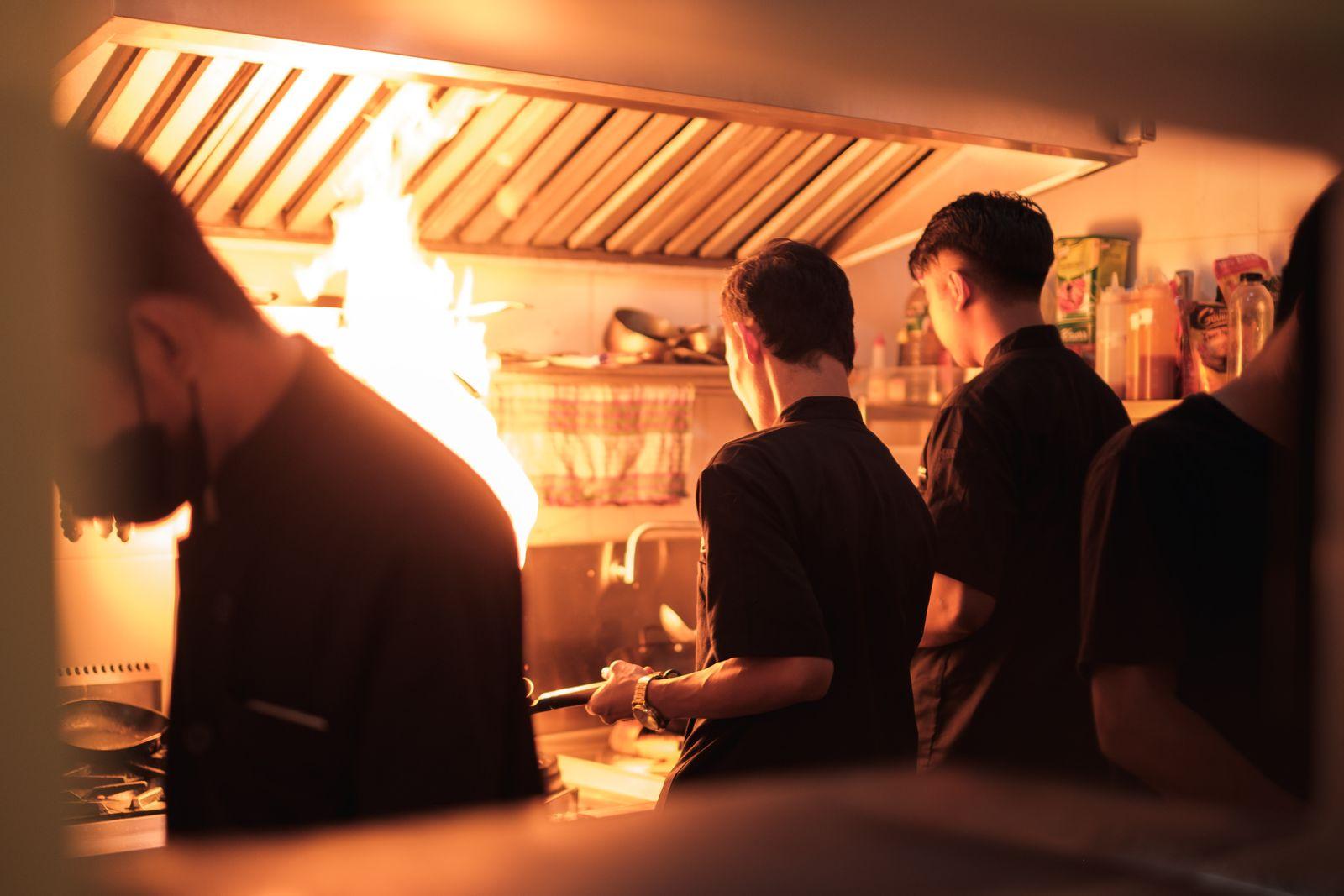
Every line that produces grease-laden vapor needs a Type I hood, and every Type I hood needs a fire suppression system that the fire marshal has inspected and tagged. The combination is one of the costliest and most schedule-sensitive parts of a kitchen, and it is also one of the easiest to misprice when a quote leaves out make-up air, roof curbs, or ductwork. This article explains what a ventilation package includes, how to coordinate it with the cooking line, and how to present it for financing in deals that start at $10,000 and can exceed $1,000,000 in a multi-store program.
What belongs on the equipment note
A complete ventilation package has several components. The hood canopy captures heat and grease at the cooking surface. Grease filters, typically baffle style, remove particulates before air enters the duct. An exhaust fan on the roof pulls air outside, and a make-up air unit replaces what the fan removes so the dining room does not run under negative pressure. A wet-chemical suppression system with nozzles over each appliance and in the duct provides automatic fire protection.
Financing generally works best when each component appears on the invoice with a model number and a price. Hoods, fans, make-up air units, and suppression systems carry serial numbers and are clearly identifiable assets. Ductwork, roof curbs, and installation labor can be included when the contractor's quote ties them directly to the equipment and describes them as necessary for installation.
Items that belong to the building, such as structural steel for a rooftop platform or a new roof membrane, are usually funded through the construction budget instead. If your general contractor bundles them with the hood installation, ask for a split invoice so the equipment portion is visible.
Sizing and style choices
Hood length follows the cooking line, and codes generally require overhang beyond the appliances of at least six inches on open sides. A line with a six-foot range, a fryer battery, and a char broiler may need a twelve- to fourteen-foot canopy, while a pizzeria with a single deck oven might need only a compact Type I over the oven face. Ask the mechanical engineer or the hood manufacturer to size against the actual appliance list, not a generic template.
Style matters for cost and comfort. Wall-mounted canopy hoods are the least expensive and the most common. Island hoods cost more because they need captured air on all sides. Proximity or low-profile hoods reduce visual bulk but cost more and need careful appliance matching. Back-shelf hoods suit low-heat lines such as sandwich stations.
Pay attention to exhaust rates. A hood rated for 3,000 cubic feet per minute needs matching make-up air, and the cost difference between a 3,000 and a 6,000 CFM system is substantial. Right-sizing prevents both inadequate capture and wasted energy.
Coordinating hood, line, and inspections
The hood and the cooking line depend on each other. If the range arrives late, the suppression nozzles cannot be aimed and tested. If the hood installer works before the gas contractor finishes the connections, rework follows. A single schedule that lists delivery, set-in-place, gas, electrical, hood hang, duct, fan, make-up air, suppression, and balancing keeps trades from stepping on one another.
Balancing is the step many owners overlook. After installation, a technician measures airflow and adjusts dampers so that exhaust and make-up air match the design. A kitchen that skips this step may suffer smoky dining areas, doors that are hard to open, or pilot lights that blow out.
Fire inspections generally test the suppression system by tripping the fusible links or running the manual pull station. Have the installer present, make sure the gas shutoff operates, and keep the inspection tag with your file.
Pricing illustration
Illustrative installed ranges help frame the budget. A ten-foot Type I hood with filters and lights typically costs $6,000 to $14,000 before installation. Roof-mounted exhaust fans run $2,000 to $6,000, and make-up air units between $8,000 and $25,000 depending on capacity and heating. Wet-chemical suppression for a single line usually costs $3,500 to $8,000, with larger systems costing more.
Add ductwork, roof curbs, welding, wrapping where required, electrical hookups, and permits, and a full package for a small restaurant commonly lands between $30,000 and $65,000. Larger concepts with multiple hoods can reach $120,000 to $250,000. Multi-unit rollouts that repeat a standardized package can exceed $1,000,000 across a program.
As a payment example, a $50,000 ventilation package financed over seventy-two months at an illustrative 8.5 percent costs roughly $890 per month, while a $150,000 package over eighty-four months at nine percent costs about $2,420.
Insurance and lender requirements
Insurers care about ventilation because grease fires are a leading cause of restaurant losses. Many carriers ask for proof of semiannual hood cleaning and suppression inspections, and they may reduce premiums when records are tidy. Share your plan with the broker early, because some policies require that suppression systems be installed by listed contractors.
Funding reviewers look for similar assurance. They want to see that the system is installed by a licensed mechanical or fire protection contractor, that permits are pulled, and that the final inspection tag is on file. A signed completion certificate from the installer speeds the final release.
Keep a maintenance contract in view. A cleaning company that visits quarterly for high-volume cooking, or semiannually for lighter lines, protects the system and the insurance relationship.
Remodel vs. new build
Retrofitting a hood into an existing space is often harder than installing one in a new shell. Roof penetrations may have to avoid mechanical equipment, existing duct runs may be undersized, and landlords may require engineered drawings. Allow time for approvals, and ask for written landlord consent before ordering anything.
New builds benefit from early coordination. Rough-in dimensions for duct chases and roof curbs can be fixed during framing, and the make-up air unit can be located where it will not interfere with outdoor seating. Savings from early planning can reach ten percent of the ventilation budget.
If you are converting a former office or retail space, confirm that the building can accommodate a Type I duct to the roof. Some multi-tenant buildings forbid it, which turns a promising site into a ventilation-free zone for cooking.
Maintenance after installation
Ventilation systems need ongoing attention once the inspector leaves. Hood filters should be cleaned or swapped frequently, and duct interiors require professional cleaning on a schedule tied to the type of cooking. Wok and char lines may need monthly visits, while a bakery might need only an annual one.
Fans lose efficiency when belts slip or bearings dry out. A technician who inspects the exhaust fan twice a year will catch problems before they cause smoke, noise, or an unexpected shutdown.
Pre-submission checklist
Before you request funding, assemble the paperwork that proves the ventilation package is complete, priced, and ready for installation. A concise file lets reviewers focus on the numbers rather than chasing missing pages.
- Hood schedule listing size, style, CFM, and model numbers.
- Itemized suppression quote with nozzle count and tank size.
- Make-up air specification and roof curb details.
- Landlord approval for roof and wall penetrations.
- Permit status and inspector contact.
- Installer's license and insurance certificates.
Mistakes that delay release
The most common delay is a quote that omits make-up air. When the inspector flags it, the owner must order a new unit and wait weeks for delivery. The second is mismatched appliances, such as a heavier fryer bank than the design assumed. The third is a missing suppression test, which holds up the certificate of occupancy.
Questions owners ask us often are covered here. Can a used hood be financed? Yes, when it is documented, inspected, and compatible with current codes, though many jurisdictions require engineering review for reused canopies. Can I finance the hood before I choose the range? It is possible, but the cleaner path is to finalize the appliance list first. How do I get started? No credit check to inquire lets you share the schedule and see structure options, and credit from 500 to 800+ FICO is considered when you move forward.
Related guides
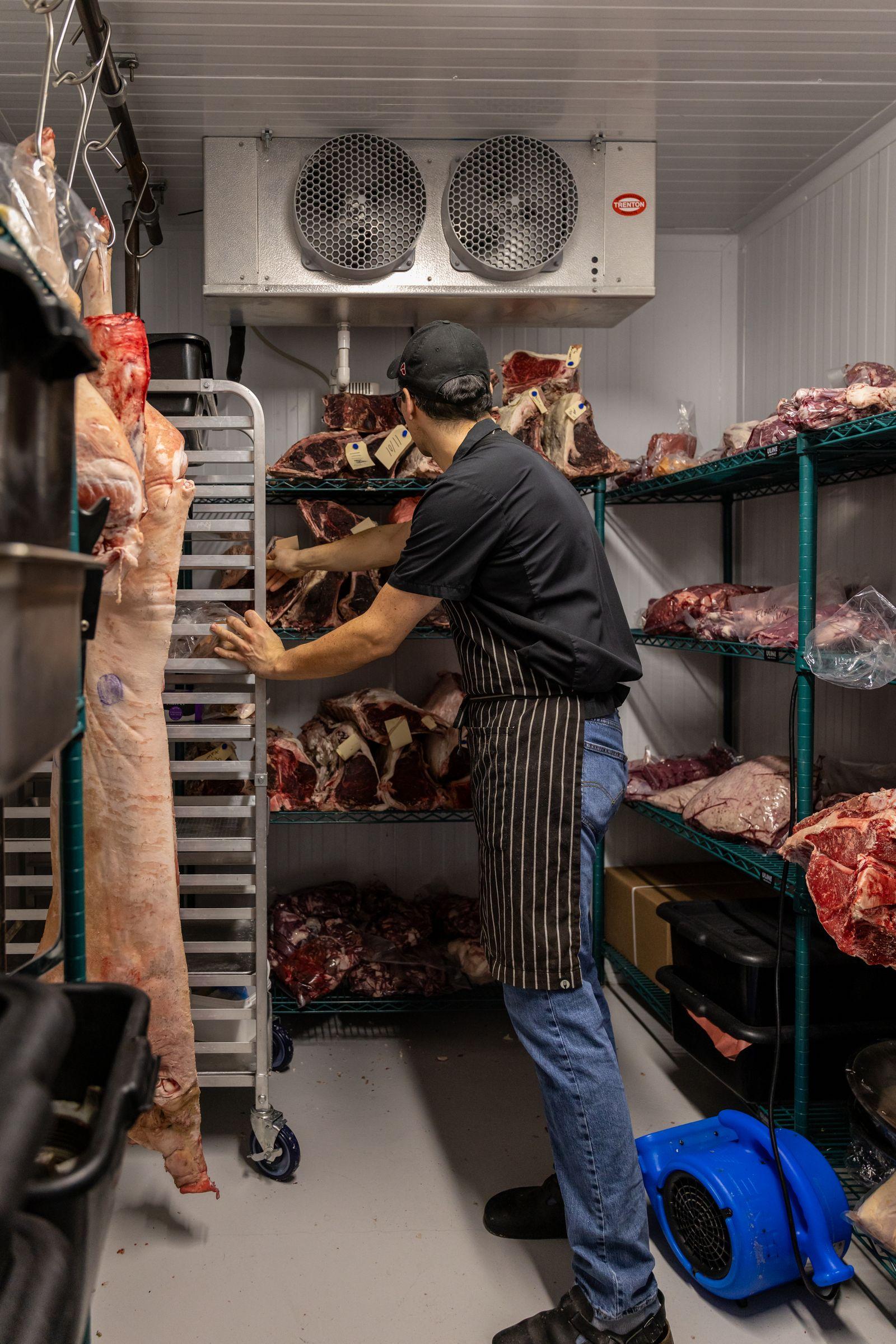
Walk-In Cooler and Freezer Financing: Sizing, Quotes, and Terms
Finance walk-in coolers and freezers for restaurants from $10k to $1M+. No credit check to inquire. Credit from 500 to 800+ FICO. RestaurantEquipmentFinancing.org.
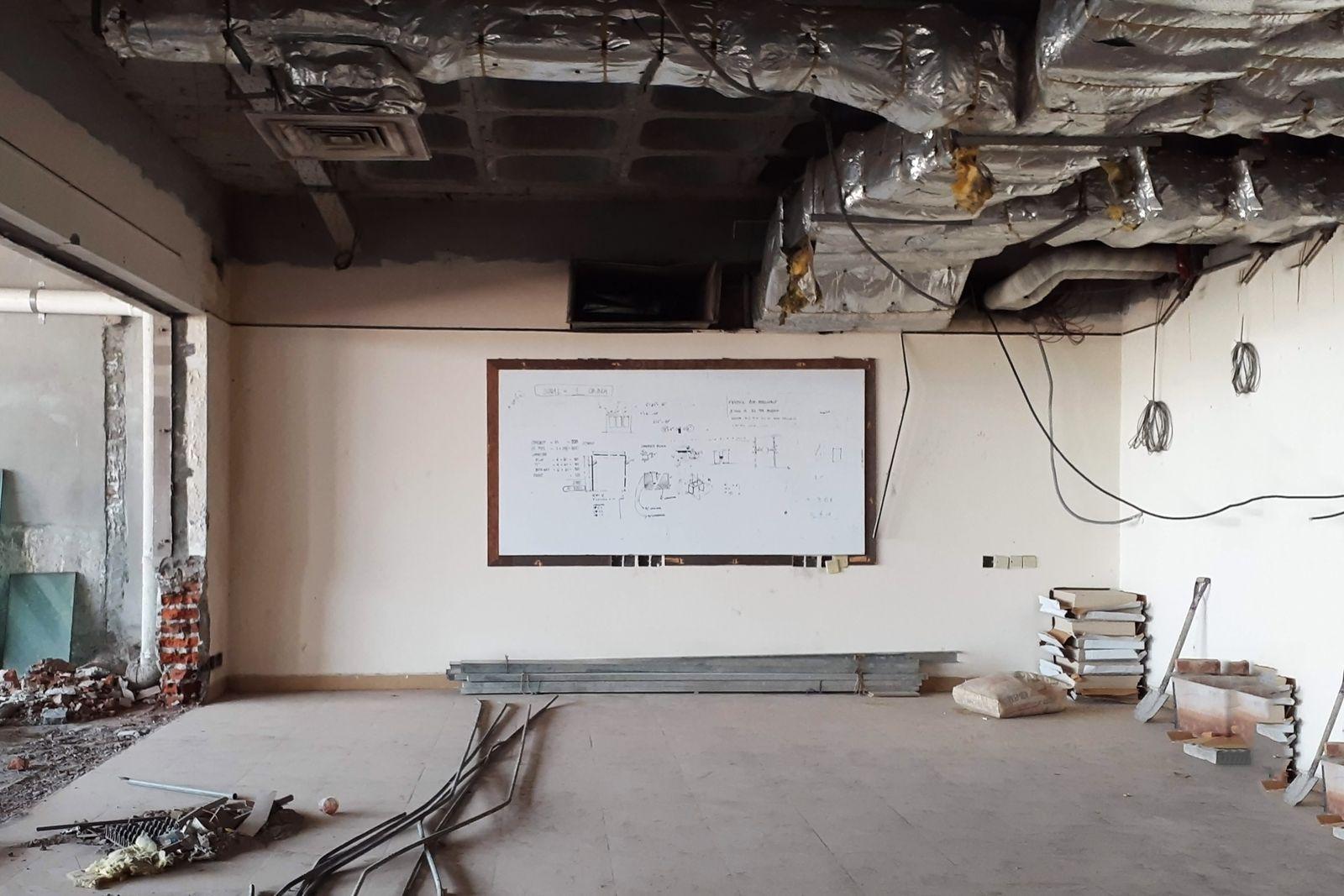
Turnkey Restaurant Packages vs. Custom Build-Out Financing
Compare turnkey restaurant equipment packages with phased build-out financing. $10k–$1M+. RestaurantEquipmentFinancing.org.
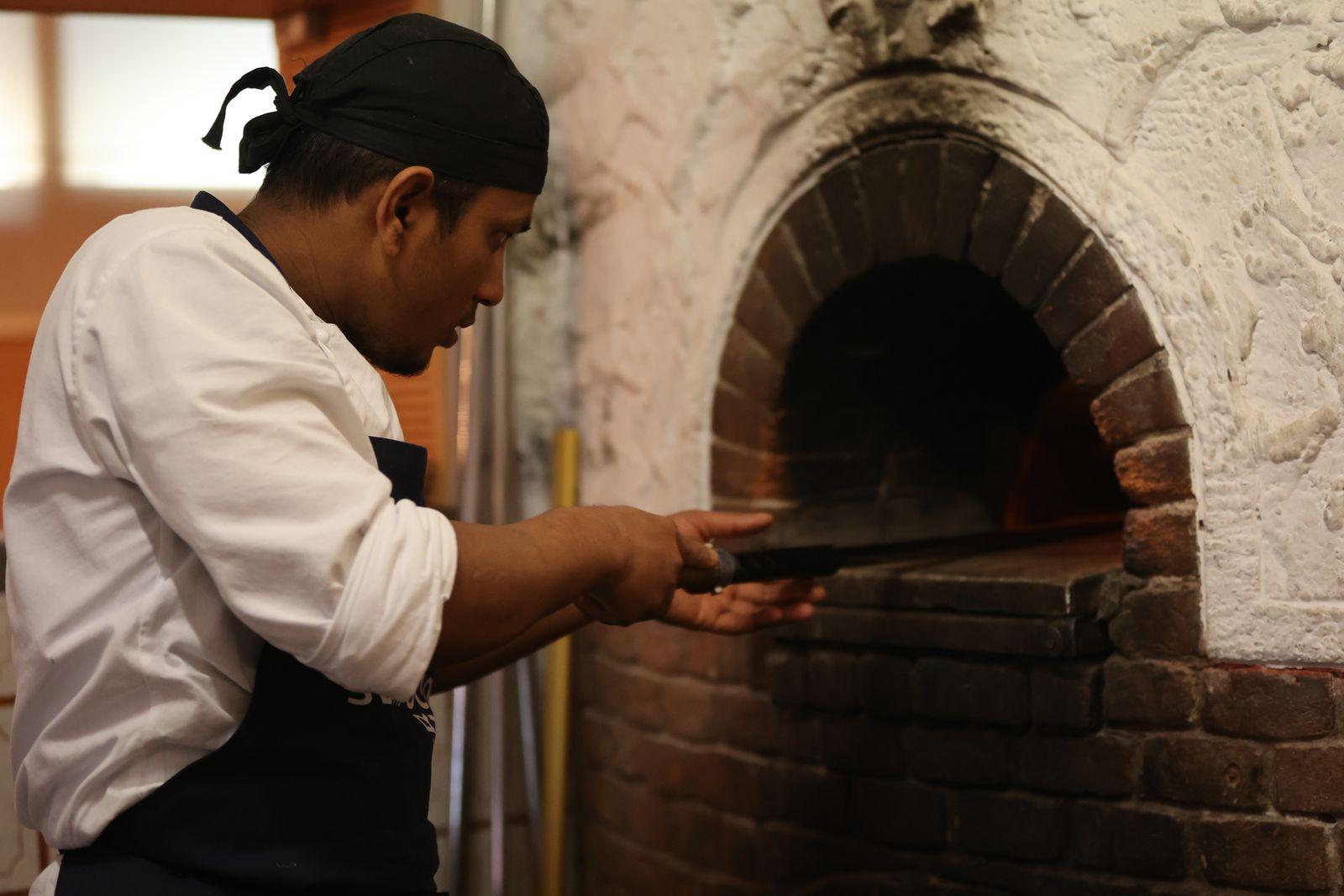
Pizza Oven and Line Package Loans: High-Heat Kitchen Financing
Finance pizza ovens, make lines, and ventilation packages. $10k–$1M+. No credit check to inquire. RestaurantEquipmentFinancing.org.