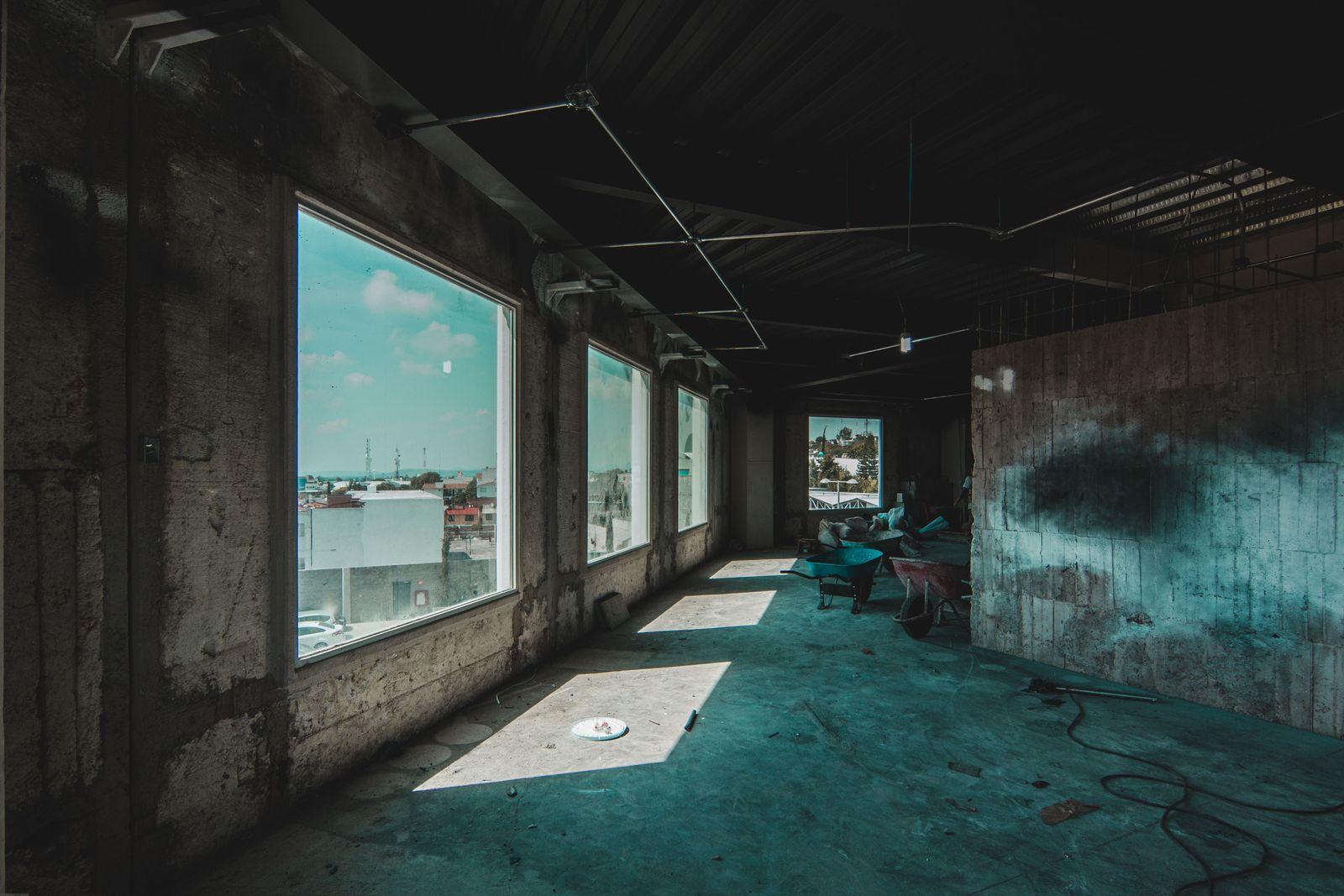
Second Location Equipment Rollout: Financing Unit Two
6 min readIllustrative guidance—not an offer
Opening a second restaurant is the point at which operators discover that the first one taught them how to cook, but not necessarily how to scale. Equipment suddenly has to be purchased twice, delivered on a tighter schedule, and installed while the original location keeps serving. This guide shows how to use the track record of unit one to support financing for unit two, when to clone the equipment package and when to change it, how to build a rollout schedule, and how to manage deals that run from $10,000 for a partial upgrade to $1,000,000 or more for a full second store.
Payment history from unit one
Your first restaurant is your best reference. A history of on-time payments on earlier equipment, steady sales, and well-maintained assets shows that you can run a kitchen and carry obligations. If unit one has no equipment note, bank statements and tax returns serve a similar purpose by documenting reliable revenue.
Prepare a short summary of the first location: opening date, annual sales, average ticket, labor percentage, and prime cost. Reviewers appreciate numbers that show the concept works, and a one-page summary beats a pile of unlabeled statements.
Be candid about the cost of the first location's mistakes. If the first build ran over budget because of ventilation surprises or delayed deliveries, explain what you changed. A lesson learned is a point in your favor.
Clone vs. upsize equipment
Cloning the first kitchen has real advantages. Staff already know the layout, vendors already have the specifications, and your cost estimate is based on real invoices. Duplicating the equipment list can also speed the review, since the collateral is familiar.
Upsizing makes sense when the first kitchen hit capacity. If the walk-in was always full, the fryer bank was always slammed, or the dish area bottlenecked on Saturdays, the second location is a chance to correct those problems. Consider adding twenty percent to refrigeration and a second dish machine.
A hybrid often works best: copy what worked, resize what pinched, and eliminate what you never used. Review the first location's equipment against actual usage, and ask the staff which pieces they would change.
Building the rollout schedule
A rollout schedule links lease signing, permits, construction, equipment delivery, training, and opening. Work backwards from the opening date and set deadlines for ordering long-lead items such as hoods, walk-ins, and custom fabrication. A twelve-week lead time on stainless means orders must be placed three to four months before opening.
Stagger deliveries to match construction milestones. Refrigeration and ventilation usually come early, followed by cooking equipment, then smallwares and technology. Receiving equipment too early invites damage and storage fees, and too late delays inspections.
Assign one person to own the schedule. Whether it is a general manager or a project consultant, a single owner keeps dealers, contractors, and funding aligned.
Illustrative budgets
Costs depend on the concept. A fast-casual unit with a compact line might spend $150,000 to $300,000 on equipment. A full-service restaurant with a bar, a larger walk-in, and a robust ventilation system can spend $300,000 to $600,000. High-end concepts, commissary kitchens, and multi-unit launches can exceed $1,000,000.
At an illustrative nine percent over eighty-four months, a $400,000 package carries a payment near $6,440 per month. At eight percent over sixty months, a $200,000 package costs about $4,056. Operators should check the combined burden of both locations, not just the new payment.
Consider keeping a contingency of ten percent in the budget. Equipment projects rarely finish at the original quote, and a modest reserve prevents a funding gap from stalling the opening.
Managing cash across two units
The second location is rarely profitable immediately. New restaurants often lose money for several months while staff train and awareness grows. Protect the first location's cash flow by keeping accounts separate and avoiding transfers that starve the original kitchen.
Maintain reserves equal to at least three months of combined equipment payments. If sales at unit two ramp more slowly than planned, that cushion buys time to adjust marketing and staffing.
Track each unit's prime cost weekly. Early warning signs show up in food and labor percentages long before they appear in monthly statements.
Vendor negotiations at scale
A second location doubles your purchasing power with dealers, and it is a natural moment to renegotiate. Ask for a package price that covers both sites, even if the second is delivered later, and request that pricing be held for a defined period. Dealers often respond with better freight terms, extended warranties, or complimentary start-up service.
Consolidate vendors where it makes sense. Buying refrigeration from one supplier and cooking equipment from another may give you the best sticker prices, but a single dealer who coordinates delivery for the whole kitchen reduces scheduling risk. Weigh the savings against the cost of managing several shipments arriving in the same week.
Document what you learned the first time. Delivery damage, wrong voltage, missing legs, and late arrivals are common, and a short list of lessons helps you write clearer purchase orders and receiving procedures for unit two.
Staffing and training for the new kitchen
Equipment is only as productive as the people using it. Plan to move a few trusted cooks from the original kitchen to the new one for the first several weeks, and schedule manufacturer training on any equipment that differs from unit one. A combi oven or a new dish machine is not intuitive, and a half-day session can prevent months of misuse.
Create a simple checklist for opening and closing procedures at the new site. Cleaning schedules, temperature logs, and preventive maintenance reminders keep the kitchen consistent, and they give the new manager a framework for leading the team.
Allow a soft opening period. Inviting friends, neighbors, and local partners for a limited menu lets the team practice on real orders and reveals equipment quirks before the public arrives.
Insurance, permits, and landlord coordination
A second site means a second set of approvals. Permits, health plan reviews, and fire inspections follow their own calendars in each jurisdiction, and a process that took six weeks at unit one may take twelve elsewhere. Call the new city early and ask for a written checklist.
Landlords frequently require insurance certificates before work begins, naming the property owner as an additional insured. Brief your broker as soon as the lease is signed so that coverage is ready when the first delivery truck arrives.
Keep one binder per site with permits, certificates, warranties, and the equipment schedule. When both locations are running, those binders save time every time an inspector, insurer, or service technician asks a question.
Rollout checklist
Use this checklist to prepare for the second location. A complete package, with consistent numbers across documents, makes the review smoother and gives you leverage with vendors.
- One-page performance summary of the first location.
- Equipment schedule showing cloned and upsized items.
- Dealer quotes with lead times and validity dates.
- Lease for the new space with term and renewal options.
- Construction timeline with delivery windows.
- Cash reserve plan covering both units.
Frequently asked questions
Can I use equipment at unit one as collateral for unit two? Existing equipment may already secure another obligation, so structures are reviewed case by case.
Does the second location need the same terms? Not necessarily. Terms reflect the new equipment, the lease, and your updated financials.
Can I open several locations at once? Multi-unit programs are common, and amounts can range well past $1,000,000.
How do I begin? No credit check to inquire lets you review structure first, and credit from 500 to 800+ FICO is considered when you proceed.
Related guides
Turnkey Restaurant Packages vs. Custom Build-Out Financing
Compare turnkey restaurant equipment packages with phased build-out financing. $10k–$1M+. RestaurantEquipmentFinancing.org.
POS and Kitchen Display Financing for Restaurants
Finance POS terminals, KDS screens, and kitchen display packages. $10k–$1M+. No credit check to inquire. RestaurantEquipmentFinancing.org.
Pizza Oven and Line Package Loans: High-Heat Kitchen Financing
Finance pizza ovens, make lines, and ventilation packages. $10k–$1M+. No credit check to inquire. RestaurantEquipmentFinancing.org.