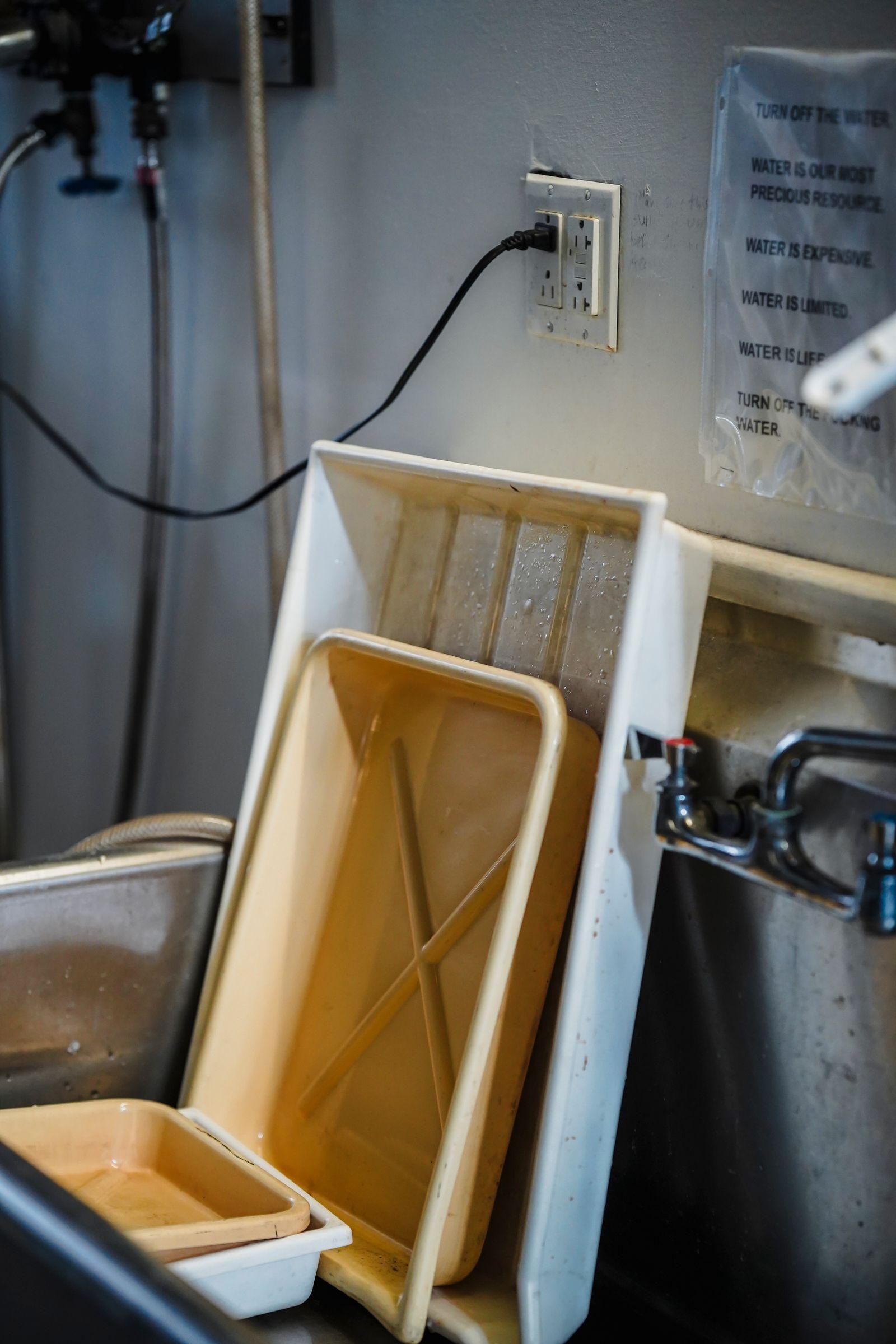
Grease Trap and Kitchen Infrastructure Loans
6 min readIllustrative guidance—not an offer
Behind every busy kitchen is a layer of infrastructure that guests never see: grease interceptors, floor drains, water heaters, gas manifolds, electrical subpanels, and backflow devices. These items rarely excite anyone during planning, yet they decide whether a health department signs off and whether a kitchen can run without constant plumbing emergencies. This article explains how interceptors are sized, which infrastructure items can be financed alongside equipment, what typical costs look like, and how to document projects that run from $10,000 for a single interceptor to $1,000,000 or more across a multi-site program.
Interceptor sizing and code
Grease interceptors capture fats, oils, and grease before wastewater enters the municipal sewer. Cities set sizing rules based on fixture counts, flow rates, or seating, and the formulas differ widely. Small indoor units, called gravity or hydromechanical interceptors, are rated by flow in gallons per minute. Large outdoor tanks, often one thousand to fifteen hundred gallons, hold wastewater long enough for grease to separate.
Start with the local plumbing code and your city's fats, oils, and grease program. Ask the plan reviewer what size the municipality expects and whether an indoor unit is acceptable. Some cities require outdoor tanks for any new restaurant, while others permit indoor units for low-volume concepts.
Do not guess. An undersized interceptor fills quickly, overflows into the sewer, and can trigger fines. An oversized one costs more to excavate and to pump. The engineer or plumber should calculate the number based on your fixture schedule.
What lenders include
Interceptors and related equipment are tangible assets that can be financed when listed on an invoice. Common inclusions are the interceptor unit, automatic grease removal devices, sampling ports, flow-control fittings, and associated piping when tied to the installation. Floor sinks, trench drains, and under-slab plumbing are often funded through the construction budget.
Other infrastructure that belongs on equipment schedules includes commercial water heaters, booster heaters for dish machines, water softeners, backflow preventers, electrical subpanels dedicated to kitchen equipment, and gas manifolds. Each should be itemized, with a model number and a price.
Excavation, concrete, and asphalt repair are site work. They may be included when a contractor bundles them with the interceptor and describes them as essential, but expect the review to look closely at how much of the invoice is equipment and how much is construction.
Illustrative costs
Indoor hydromechanical interceptors typically cost $1,500 to $8,000 for the unit, plus $1,500 to $6,000 for installation. Automatic grease removal units run $6,000 to $20,000. Outdoor concrete or fiberglass tanks of one thousand gallons cost $4,000 to $12,000 for the tank, and total installed costs of $15,000 to $50,000 are common once excavation, traffic-rated lids, and connections are included.
Water heating can add $3,000 to $15,000 for commercial tank or tankless units, and booster heaters for dish machines run $1,500 to $4,500. Electrical subpanels and feeders for a full kitchen commonly cost $8,000 to $30,000. Gas manifolds and regulators add $2,000 to $10,000.
A combined infrastructure package of $60,000 financed over sixty months at an illustrative eight percent costs about $1,217 per month. A larger $200,000 project over eighty-four months at nine percent costs roughly $3,220.
Access, maintenance, and pumping
An interceptor is only effective when it is maintained. Outdoor tanks typically need pumping every one to three months depending on volume, and many cities require manifests as proof. Indoor units need cleaning weekly or even daily at busy kitchens. Include the cost of pumping and cleaning in your operating budget, often $150 to $600 per visit.
Plan access carefully. A tank buried under a parking space can be hard to reach if cars block the lid, and an indoor unit squeezed under a sink can be impossible to clean. Ask your plumber where service access will be and whether the layout allows a pump truck to reach the lid.
Keep maintenance logs. Inspectors may request them, and a clean record helps with renewal of permits and insurance coverage.
Timing with the build-out
Underground work must happen before the slab is poured, which means interceptor decisions occur early in the project. Delays in sizing or permitting can hold up the entire schedule. Coordinate the plumber, civil contractor, and general contractor so everyone works from the same drawings.
Inspections are staged. The plumbing inspector often reviews underground lines before they are covered, and again at final. Missing an early inspection can mean uncovering finished work, a very expensive mistake.
Make sure funding timelines match. If the interceptor is paid for on a deposit schedule that begins at excavation, line up your financing conversation before the ground is broken.
Common surprises and how to avoid them
The most frequent surprise is an interceptor that the city requires but nobody budgeted. An older building may have a shared tank that the new tenant cannot use, or the municipality may have changed its rules since the last restaurant opened. Ask the plan reviewer about requirements before you sign a lease, not after.
The second surprise is capacity. A water heater that served a small cafe may not keep up with a dish machine, a mop sink, and three-compartment sink all running at lunch. Compare the gallons-per-hour rating of the heater against your fixture schedule, and add a booster where needed.
The third is electrical. Equipment lists often grow during design, and a panel that looked adequate on day one can be overloaded by the time the combi oven and extra refrigeration are added. Have an electrician review the final load before ordering.
A modest contingency of ten to fifteen percent for infrastructure keeps these discoveries from stalling the project. It is far easier to set the cushion aside at the start than to find it after the walls are closed.
Reading contractor quotes
Infrastructure quotes can be confusing because contractors combine labor, materials, and equipment. Ask for a breakdown that lists each major component with a model number and a price, followed by labor, permits, and disposal charges. A single lump sum hides information that both you and any reviewer need.
Compare at least two bids and read the exclusions closely. Some quotes omit asphalt repair, traffic control, or the cost of reconnecting existing lines, and the apparent bargain disappears once those items are added back in.
Environmental compliance and good-neighbor practices
Wastewater rules are enforced more actively than many owners realize. Utilities sample discharge, inspect interceptors, and issue penalties for neglected tanks. A restaurant that keeps clean pumping manifests and trains staff to scrape plates before washing tends to enjoy easier inspections.
Simple habits help. Collect used cooking oil in a sealed container for recycling rather than pouring it down a drain, and install strainers in every sink. These measures extend the life of the interceptor and reduce the number of service calls.
Infrastructure checklist
Because infrastructure items sit between equipment and construction, documentation is important. Use this checklist to build a package that distinguishes financeable assets from building improvements.
- Engineer or plumber's sizing calculation for the interceptor.
- Itemized quote separating equipment, piping, and excavation.
- Permit approvals and inspection schedule.
- Water heater, booster, and softener specifications.
- Electrical load schedule for kitchen equipment.
- Maintenance plan with pumping or cleaning frequency.
Frequently asked questions
Can I finance an interceptor without other equipment? Yes, with amounts as low as $10,000 when documented. Some owners add interceptors during a remodel without touching the line.
What if my landlord requires the work? Obtain written approval and note who owns the improvements at lease end, because that affects how the project is documented.
Do multi-location groups benefit from standard specs? Yes. A standard infrastructure specification reduces design costs and gives reviewers a familiar template.
How do I begin? No credit check to inquire lets you share the quote and see structure options, and credit from 500 to 800+ FICO is considered when you submit your file.
Related guides
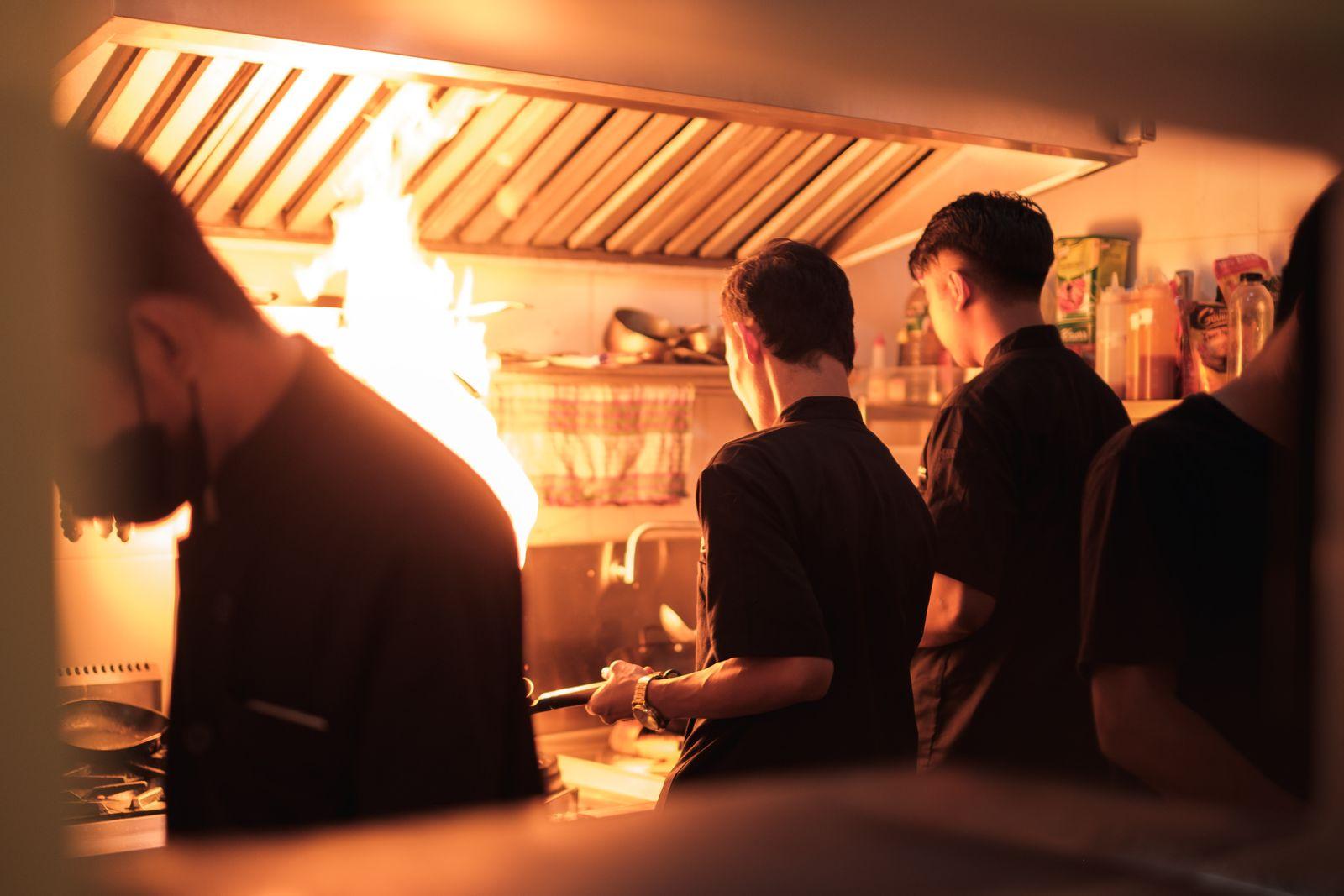
Type I Hood and Fire Suppression: Financing and Inspection Readiness
Finance Type I hoods and fire suppression for commercial kitchens. $10k–$1M+. No credit check to inquire. RestaurantEquipmentFinancing.org.
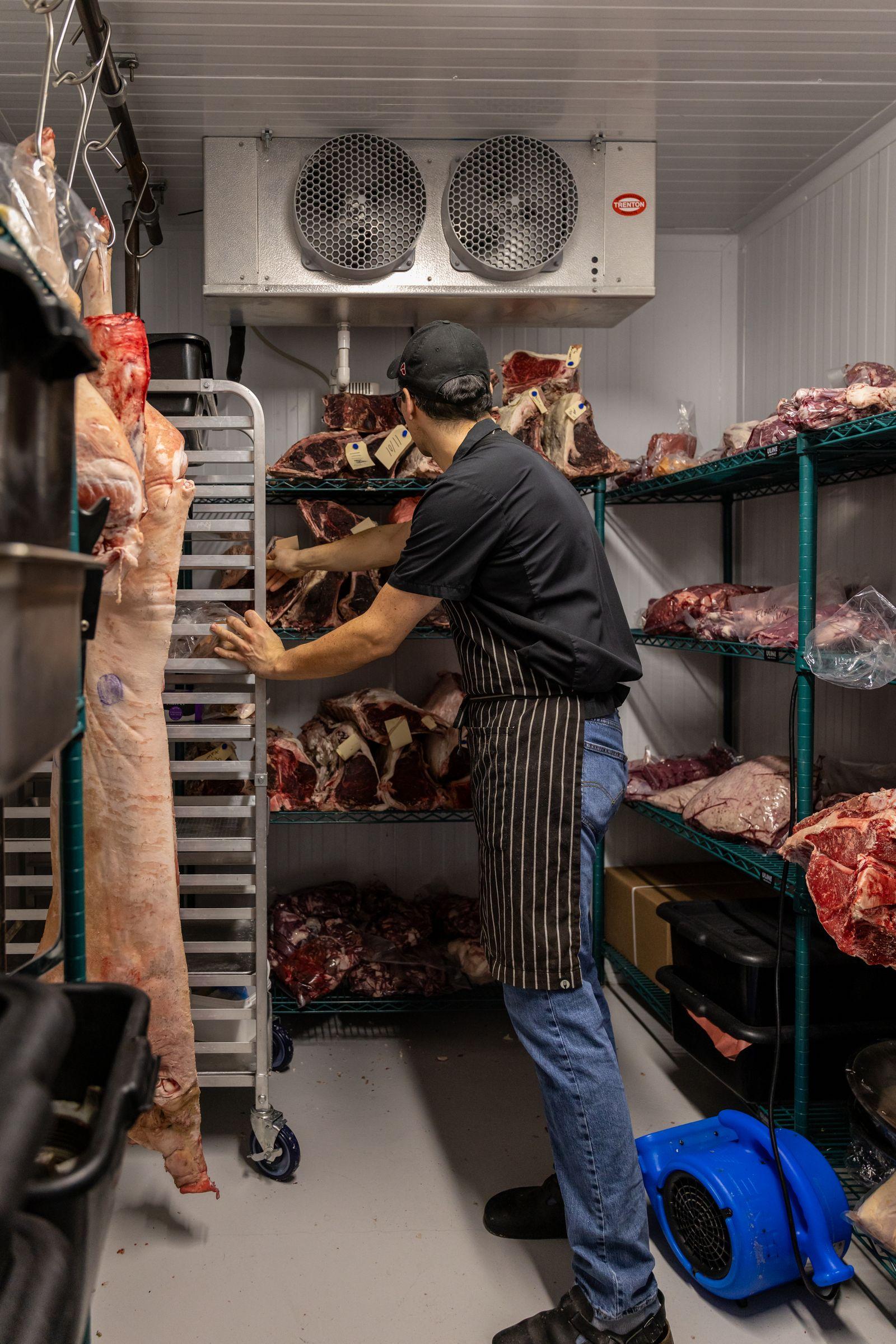
Walk-In Cooler and Freezer Financing: Sizing, Quotes, and Terms
Finance walk-in coolers and freezers for restaurants from $10k to $1M+. No credit check to inquire. Credit from 500 to 800+ FICO. RestaurantEquipmentFinancing.org.
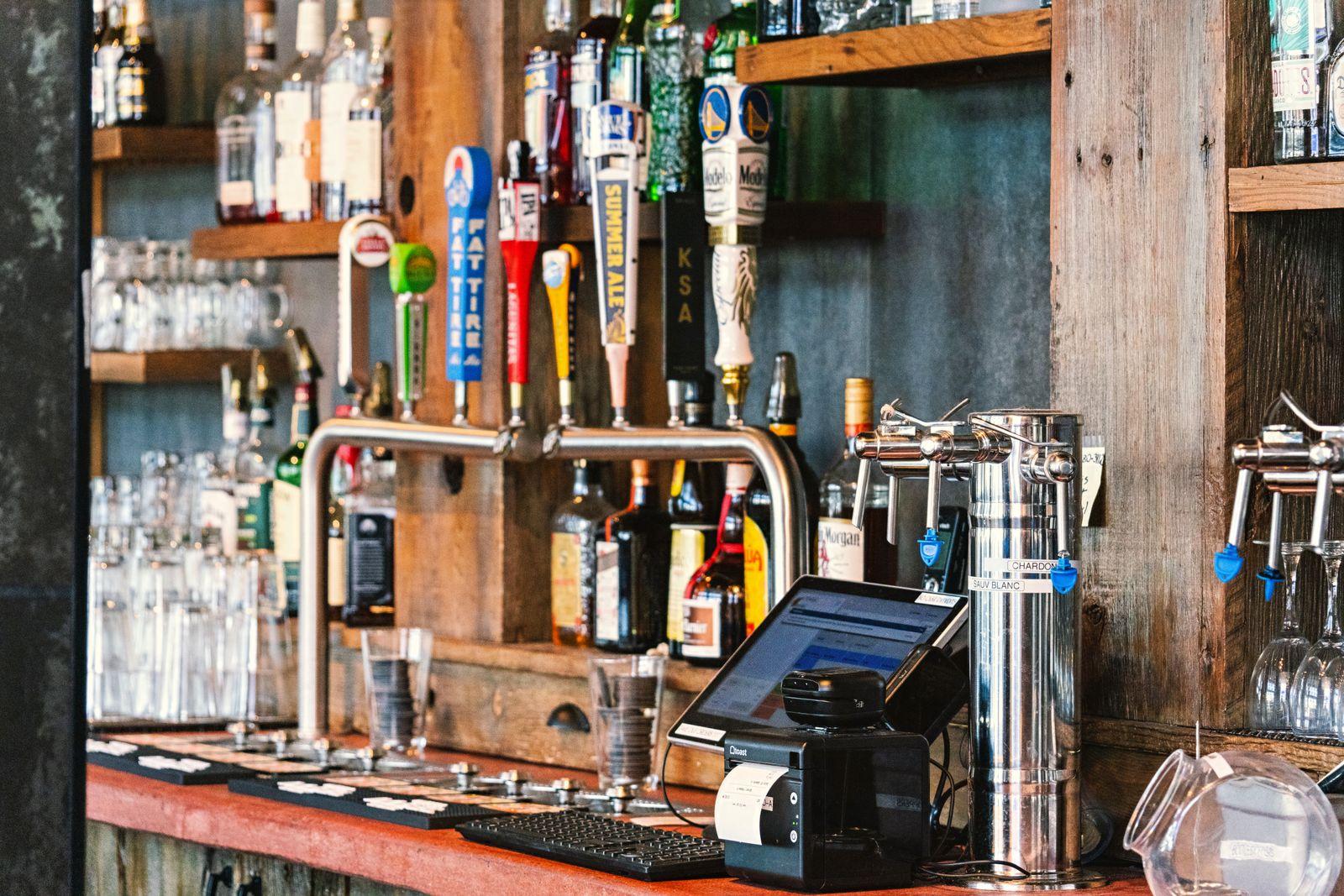
Bar Tap and Beverage System Costs: What Financing Can Cover
Finance draft systems, bar refrigeration, and ice machines. $10k–$1M+. No credit check to inquire. RestaurantEquipmentFinancing.org.