Bar Tap and Beverage System Costs: What Financing Can Cover
6 min readIllustrative guidance—not an offer
A bar program can generate some of the highest margins in a restaurant, yet it also demands specialized hardware that is easy to under-budget. Draft lines, glycol cooling, bar refrigeration, ice, glass washing, and back-bar fabrication add up quickly, and a faulty tap system can turn beer into foam and profit into waste. This article details what a beverage system includes, what each component costs, how to coordinate installation with the build-out, and how to finance packages from $10,000 for a few taps to $1,000,000 or more for a multi-venue hospitality group.
Draft and glycol systems
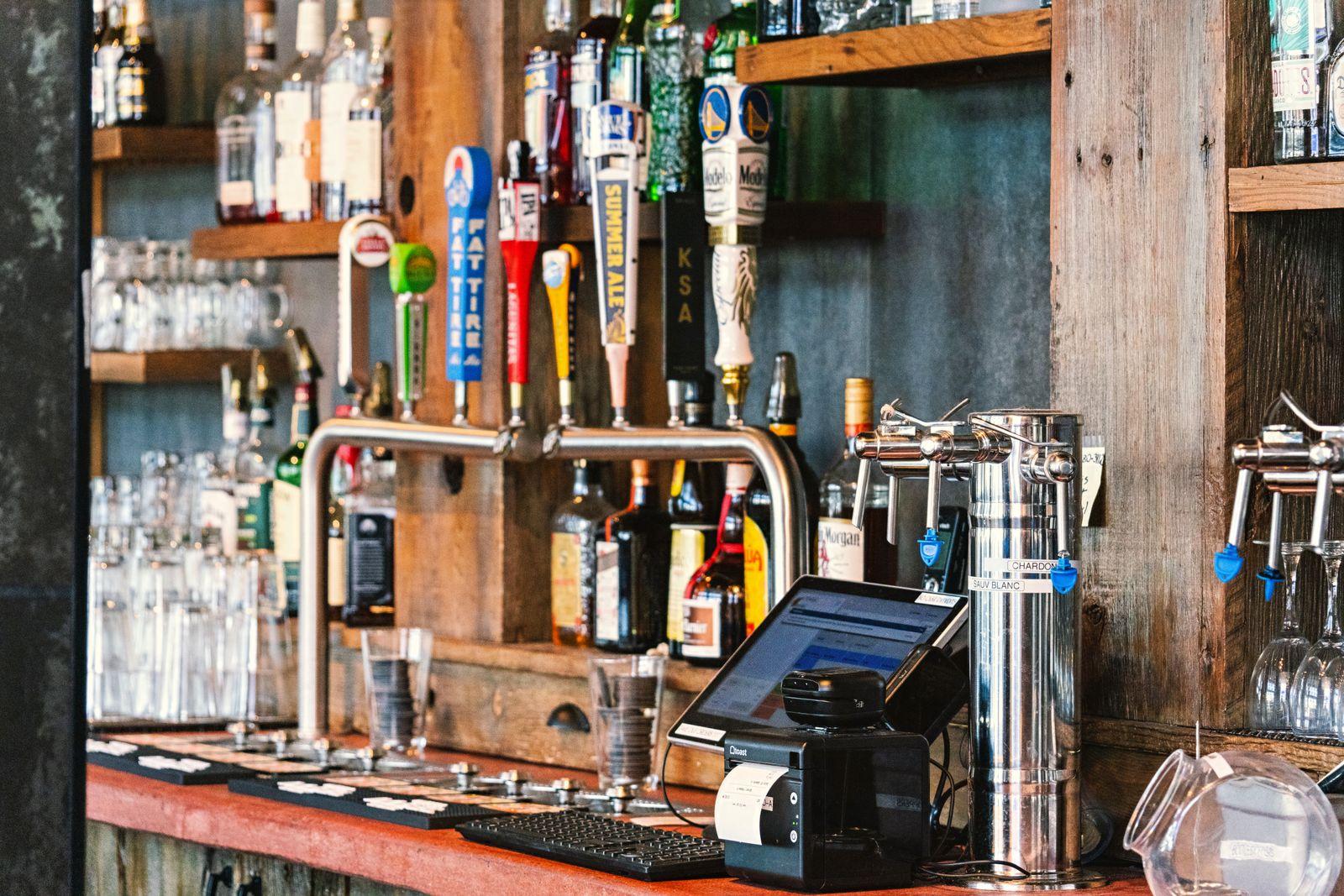
A draft system begins with a keg storage area, often a walk-in cooler or a dedicated keg box, and ends with a tower or wall-mounted faucets at the bar. Between them run beer lines, either direct-draw for short distances or long-draw with a glycol-cooled trunk line for distances over about twenty-five feet. Gas blenders supply carbon dioxide or a nitrogen mix to push beer and keep it carbonated.
Glycol chillers circulate a chilled coolant alongside the beer lines, keeping beer at serving temperature across long runs. A small chiller for a ten-tap system costs $3,000 to $8,000, and larger power-pack systems reach $15,000. Trunk lines cost $30 to $60 per foot, depending on the number of lines and insulation quality.
Faucets and towers are the visible pieces. Stainless towers with eight to twelve taps run $1,800 to $6,500, while wall-mounted rails and custom fabrications cost more. A complete eight-tap system with a walk-in keg cooler often totals $8,000 to $25,000 installed.
Bar refrigeration and ice
Back-bar coolers keep bottles and cans within reach. A three-door unit costs $3,000 to $6,500, and undercounter cabinets for kegs, wine, or garnish range from $1,800 to $4,500. Glass frosters, bottle wells, and speed rails complete the working surface.
Ice is critical. A modular ice machine producing 400 pounds per day costs $3,500 to $7,000 and serves a mid-size bar, while 800-pound machines and storage bins cost $7,000 to $14,000. Ice quality varies by cube style, and cocktail bars often prefer large-format cubes made with specialty machines that cost $5,000 to $12,000.
Water filtration protects ice machines and espresso gear alike. A commercial filter system costs $600 to $2,500, and replacement cartridges should be in the operating budget. Ignoring filtration shortens equipment life and affects taste.
Glass washing and sanitation
Glassware needs its own cleaning workflow. Undercounter glass washers cost $2,500 to $6,500 and clean thirty to forty racks per hour, enough for most bars. High-volume venues benefit from conveyor-type machines or dedicated glass-washing stations that cost far more.
Health codes require a three-compartment sink or an approved alternative, plus hand sinks within reach of staff. Budget for plumbing, drains, and backflow preventers. These details are often missing from early estimates and can add thousands to the plumbing bill.
Chemical dispensing and temperature monitoring matter too. A glass washer that fails to reach sanitizing temperature can fail an inspection, so test the unit during commissioning.
Back-bar fabrication and layout
Custom stainless bars with built-in ice bins, speed rails, and drainboards cost $4,000 to $15,000 for a standard run. Millwork and stone countertops are typically funded through the construction budget rather than the equipment schedule, though stainless components can often be included when itemized.
Layout drives efficiency. A bartender should reach ice, garnishes, glassware, and the most popular bottles without taking more than a step. Walk the plan with an experienced bar manager before ordering, and mock up the workspace with tape on the floor.
Make sure the plumbing and electrical drawings reflect the bar design. Floor drains, trench drains, gas lines for lighting, and outlets for blenders and machines must be located before the slab is poured.
Illustrative total budgets
A small neighborhood bar might invest $35,000 to $60,000 across taps, refrigeration, ice, and glass washing. A restaurant-bar combination can spend $70,000 to $120,000 on a more extensive program, including a walk-in keg cooler and a dedicated service bar. Large entertainment venues with multiple bars can exceed $400,000.
Payments follow the usual pattern. A $60,000 package over sixty months at an illustrative eight percent costs about $1,217 per month, and an $120,000 package over seventy-two months at 8.5 percent costs about $2,130.
Offsetting revenue is part of the case. A single draft line selling sixteen-ounce pours can yield well over a thousand dollars of gross margin per keg, which is why operators are comfortable investing in well-built systems.
Installation and maintenance planning
Hire an installer who specializes in draft systems. A poorly balanced system wastes product, so ask for pressure settings, line lengths, and a cleaning schedule. Line cleaning every two weeks is standard practice and protects flavor and quality.
Coordinate delivery of beverage hardware with the general contractor. Gas cylinders, keg boxes, and trunk lines need clear routes, and wall penetrations must be sealed and insulated to prevent condensation.
Budget annual maintenance for gaskets, couplers, regulators, and compressors. A modest service contract is cheaper than the product lost to a malfunction on a busy night.
Licensing, compliance, and insurance
A bar program carries regulatory obligations that equipment alone cannot satisfy. Liquor licenses, signage requirements, and occupancy limits are set by state and local authorities, and approval can take months. Confirm the licensing timeline early, since a beautifully equipped bar that cannot pour on opening night generates payments without revenue.
Insurance changes when alcohol is served. Liquor liability coverage is separate from general liability, and carriers often ask about staff training, security, and closing hours. Ask your broker for quotes before finalizing your beverage plan, as premiums can influence how large a program you choose to build.
Inspectors look at the bar as well. Hand sinks, chemical storage, ice handling, and glass washing temperatures are common checkpoints. Walk the bar with the checklist from your health department before the official visit, and fix small violations while the installer is still on site.
Staff training completes the picture. Responsible service certification, line-cleaning procedures, and cash handling protect both the guests and the business, and they are easier to establish before opening than to retrofit after a problem.
Operating margins and payback
Beverage equipment earns its keep through margin. Draft beer, wine by the glass, and cocktails typically carry pour costs between eighteen and thirty percent, far better than most food items. A system that delivers consistent pours with little foam turns that theoretical margin into actual profit.
Estimate payback by comparing monthly payment to incremental gross profit. If a new tap system costing $18,000 adds three thousand dollars of monthly beverage margin, the payment of roughly $365 over sixty months is covered many times over. Use conservative sales estimates, and revisit the model after the first quarter of operation.
Beverage equipment checklist
Use this checklist to confirm completeness before you request funding. Gaps in the beverage program usually appear only after the first weekend of service, when they are costly to fix.
- Draft system design with tap count, keg capacity, and line lengths.
- Glycol chiller and trunk line specifications.
- Bar refrigeration and ice capacity matched to peak service.
- Glass washer, sinks, and drain plans approved by inspectors.
- Water filtration plan for ice and beverage equipment.
- Installer credentials and cleaning schedule.
Frequently asked questions
Are initial keg and liquor inventory eligible? Inventory is generally not collateral and belongs in working capital, while the hardware that serves it qualifies.
Can I finance a mobile bar cart or trailer? Fixed hardware can be financed when documented, and rolling units are reviewed case by case.
What is a typical term? Sixty to eighty-four months suits long-life assets such as refrigeration, while smaller countertop items may fit shorter terms.
How do I begin? No credit check to inquire lets you explore before submitting, and credit from 500 to 800+ FICO is considered during formal review.
Related guides
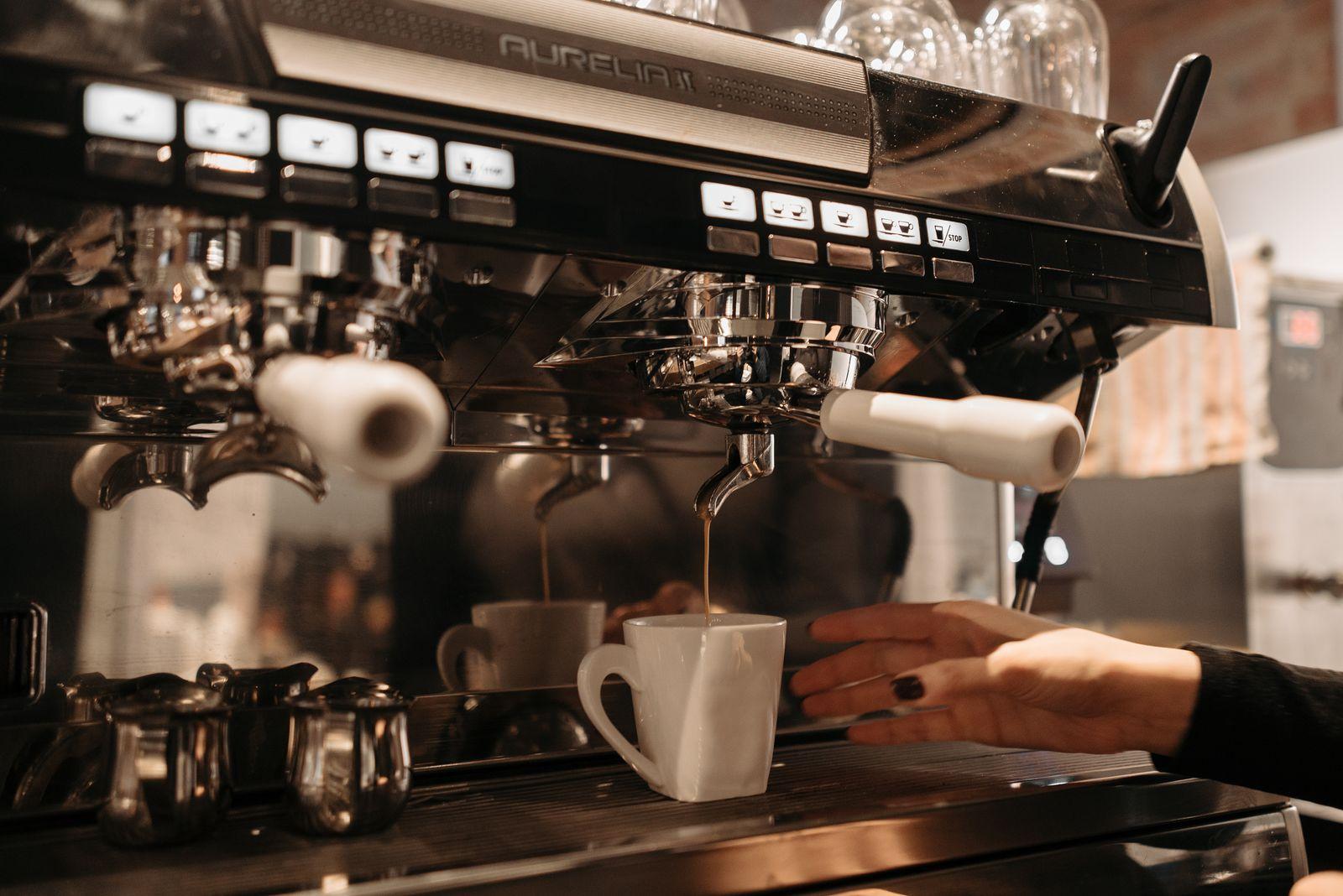
Espresso and High-Volume Beverage Equipment Financing
Finance espresso machines, bulk brew, and beverage bars for cafes and restaurants. $10k–$1M+. RestaurantEquipmentFinancing.org.
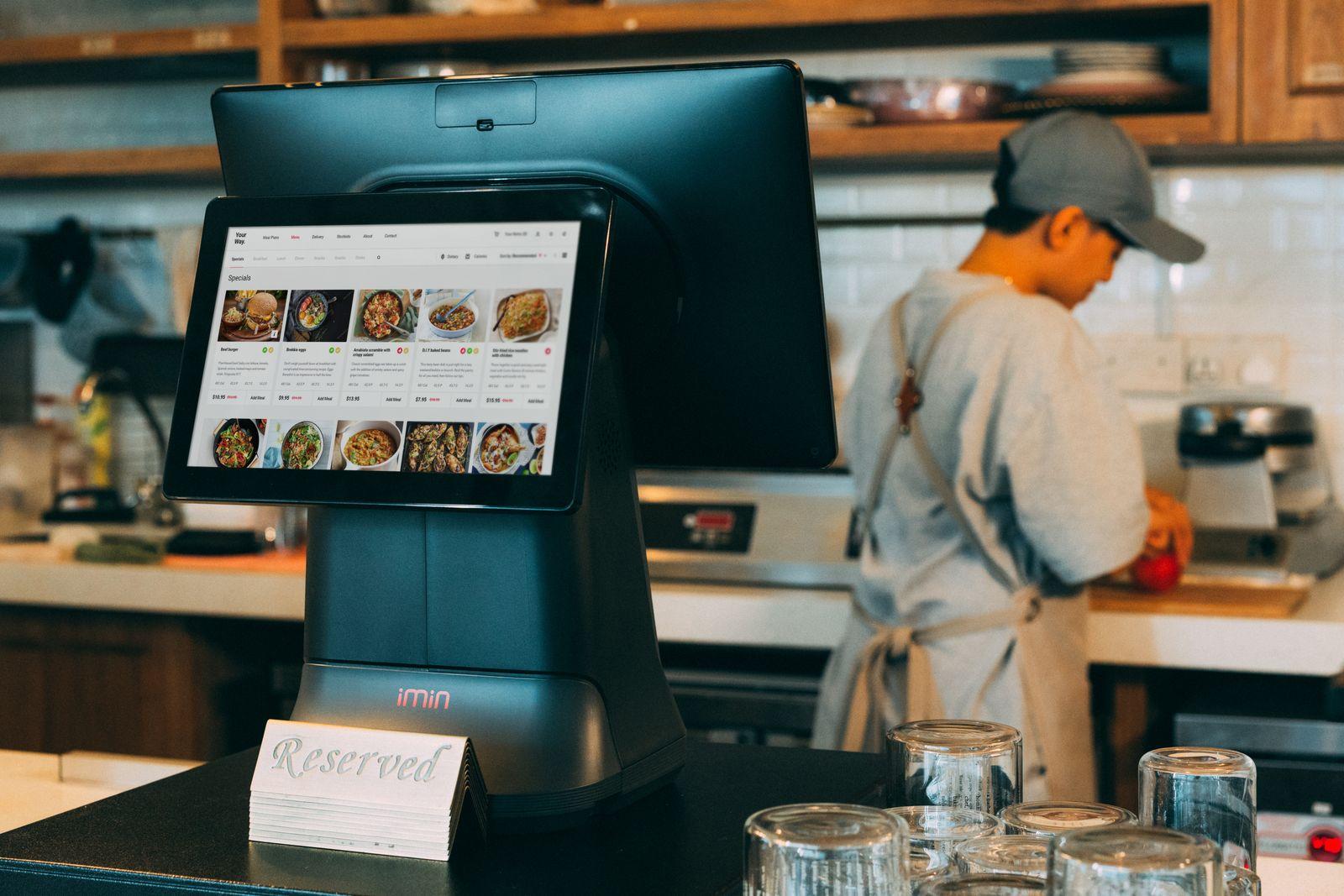
POS and Kitchen Display Financing for Restaurants
Finance POS terminals, KDS screens, and kitchen display packages. $10k–$1M+. No credit check to inquire. RestaurantEquipmentFinancing.org.
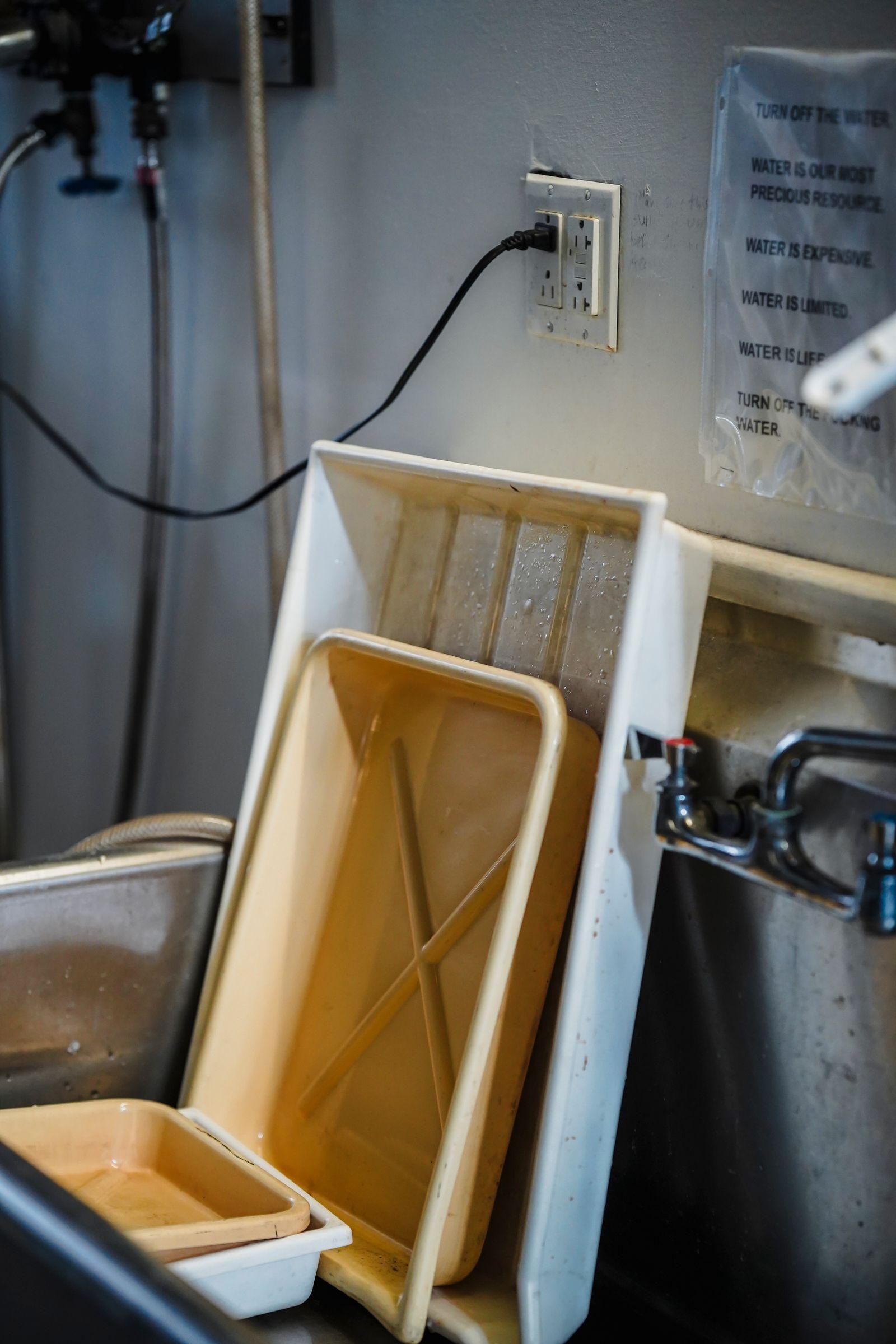
Grease Trap and Kitchen Infrastructure Loans
Finance grease interceptors and kitchen infrastructure tied to equipment packages. $10k–$1M+. RestaurantEquipmentFinancing.org.