Espresso and High-Volume Beverage Equipment Financing
6 min readIllustrative guidance—not an offer
Coffee programs have become a profit engine for cafes, bakeries, and full-service restaurants, but the equipment behind a smooth morning rush costs more than most newcomers expect. A commercial espresso machine, grinders, water treatment, milk refrigeration, and a reliable ice supply can add up to a mid five-figure investment, and larger operations with cold brew, nitro, and blended beverages go further. This article compares machine tiers, explains supporting systems, outlines cost ranges, and shows how to present a beverage program for financing from $10,000 to $1,000,000 or more.
Machine tiers and throughput
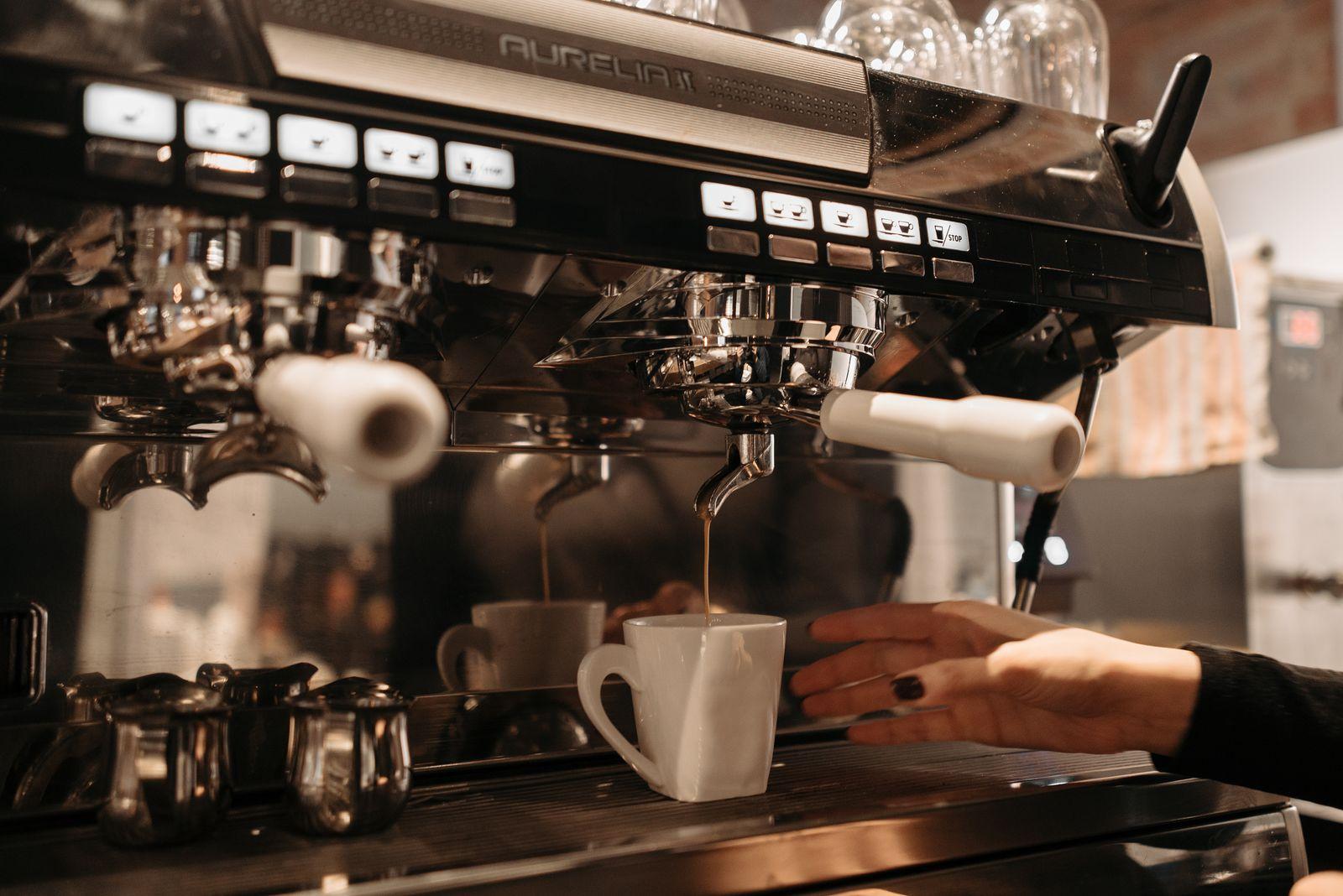
Espresso machines fall into three practical tiers. Compact two-group machines suit smaller cafes and restaurants that serve coffee as an accompaniment, with prices from $6,000 to $14,000. Mid-range three-group machines with stronger boilers serve busy cafes and cost $12,000 to $22,000. High-end volumetric or multi-boiler machines, favored by specialty roasters, run $18,000 to $35,000 or more.
Throughput depends on group count, boiler capacity, and barista skill. A two-group machine can comfortably produce eighty to a hundred drinks an hour in capable hands, while a three-group model supports a peak rush of over a hundred and fifty. Match the machine to your peak hour rather than your daily average, and consider the number of baristas working at once.
Super-automatic machines remove much of the skill from the process and appeal to restaurants and hotels where espresso is a secondary offering. They typically cost $8,000 to $20,000 and include built-in grinders and milk systems.
Grinders and workflow
Grinders are as critical as the machine. A quality on-demand grinder costs $1,500 to $4,500 and delivers consistent doses. Most cafes use at least two, one for espresso and one for decaf or a second blend. Retail-grade grinders will fail quickly under commercial use.
Workflow design reduces steps. Knock boxes, milk pitchers, tamping stations, and syrup racks should all be within reach of the barista. Small adjustments in layout can save seconds per drink, which becomes hours over a week.
Cold bar equipment complements the hot bar. Cold brew systems with kegs and taps cost $3,000 to $12,000, while nitro dispensing adds $2,000 to $6,000. Blenders for frozen drinks cost $800 to $2,500 each and need sound enclosures in customer-facing areas.
Water filtration and electrical
Water quality is the invisible ingredient. Hard water destroys boilers and clogs valves, and chlorine affects flavor. Commercial filtration and softening systems cost $1,000 to $5,000 and should be sized to the machine's flow rate. Plan for cartridge replacement every few months.
Electrical needs are significant. Many three-group machines require 208 or 240 volts and a dedicated circuit, and plumbing must include a drain within reach. Confirm these requirements with the dealer before you sign a lease.
A pre-installation survey saves frustration. Technicians check outlets, water lines, and counter space, and they can flag problems before the machine ships. A missed detail can delay the start of service by days.
Milk, ice, and cold storage
Dairy and alternative milks require refrigeration within arm's reach. Undercounter coolers and milk drawers cost $1,800 to $4,500. Backup storage in a reach-in or walk-in keeps deliveries organized.
Ice machines for beverage service typically produce 300 to 800 pounds per day and cost $3,500 to $10,000. Select cube style based on the drinks you serve, since nugget ice, for example, is popular for iced coffees and blended drinks.
Syrup and sauce stations, pastry display refrigeration, and a small prep area complete the cold side. A pastry case costs $3,000 to $8,000, and it often pays for itself through impulse purchases.
Illustrative program budgets
A small cafe might budget $30,000 to $55,000 for a two-group machine, two grinders, filtration, milk refrigeration, an ice machine, a pastry case, and smallwares. A busy cafe with a three-group machine, a cold brew system, and a larger refrigeration footprint can reach $70,000 to $120,000. Multi-unit coffee brands, drive-through concepts, and roasteries can exceed $1,000,000 as they build out sites.
At an illustrative eight percent over sixty months, a $50,000 beverage package costs about $1,014 per month. A $100,000 package financed over seventy-two months at 8.5 percent costs roughly $1,780.
Volume is the justification. A cafe selling three hundred drinks daily at an average ticket of five dollars generates over $500,000 a year, and a reliable machine protects that revenue stream.
Service contracts and training
Espresso machines need regular maintenance. Group head gaskets, shower screens, and steam wands wear out, and boilers need descaling. Service contracts from the dealer or an independent technician cost a few hundred dollars per year and reduce downtime.
Train staff on daily cleaning, backflushing, and dialing in grinders. A brief session with the dealer's technician at installation can prevent early mistakes. Many dealers offer barista training, which improves quality and reduces waste.
Keep spare parts on hand: gaskets, screens, and a tamper. A basic parts kit costs less than $200 and can keep the line running through a minor failure.
Layout, counter space, and peak service
Equipment fits on paper long before it fits on a counter. A three-group machine can be four feet wide, and the grinders, knock box, pitcher rinser, and milk station require several more feet. Measure the proposed counter and sketch the machine, grinders, and sinks to scale before you finalize an order.
Think about guest sightlines. Many cafes place the machine where customers can watch the baristas work, which makes the theatre of coffee part of the experience. Others tuck it behind a wall to reduce noise. Either approach affects ventilation, outlet placement, and drain locations.
During peak service, small inefficiencies multiply. A barista who must walk six steps for milk or syrup loses seconds on every drink, and over a morning rush that adds up to lost sales. Walk through a mock rush with the team to expose bottlenecks before the equipment is installed.
Drive-through and high-volume considerations
Drive-through concepts demand faster throughput and more redundancy. Operators often run two machines so that one failure does not shut the window, and they invest in automatic milk steaming, high-capacity ice, and larger refrigeration to avoid constant restocking.
Budgets rise accordingly. A drive-through kiosk with a full equipment package, including a headset system and menu boards, can cost $150,000 to $300,000, and a multi-site coffee brand scaling a standard package can exceed $1,000,000 across a rollout.
Seasonal swings and menu expansion
Coffee demand shifts with the weather. Hot drinks dominate winter mornings, and iced and blended drinks take over in summer, which changes the load on ice machines, blenders, and milk refrigeration. Plan capacity for the busiest season, then adjust staffing in the quiet months.
Menu expansion is another reason to leave headroom. Adding tea service, smoothies, or nitro drinks after opening is much easier when the original design included spare plumbing, electrical capacity, and counter space. A few extra inches planned early avoid expensive rework later.
Beverage program checklist
Use this list to confirm you have covered the whole workflow before you finalize quotes and request funding. A complete package avoids change orders and keeps the opening date intact.
- Machine model, group count, voltage, and plumbing needs.
- Grinder quantity and placement.
- Water filtration sized to flow rate.
- Milk refrigeration and ice capacity.
- Service contract and training schedule.
- Counter layout approved by the barista team.
Frequently asked questions
Can refurbished espresso machines be financed? Yes, when documented with serial numbers and a technician's inspection, although terms may be shorter.
Is coffee inventory included? Inventory is a working-capital item and usually sits outside the equipment note.
Can I add equipment later? Add-on projects from $10,000 are common as volume grows.
How do I begin? No credit check to inquire lets you review options before you submit, and credit from 500 to 800+ FICO is considered during formal review.
Related guides
Bar Tap and Beverage System Costs: What Financing Can Cover
Finance draft systems, bar refrigeration, and ice machines. $10k–$1M+. No credit check to inquire. RestaurantEquipmentFinancing.org.
POS and Kitchen Display Financing for Restaurants
Finance POS terminals, KDS screens, and kitchen display packages. $10k–$1M+. No credit check to inquire. RestaurantEquipmentFinancing.org.
Second Location Equipment Rollout: Financing Unit Two
Finance equipment for a second restaurant location. $10k–$1M+. No credit check to inquire. RestaurantEquipmentFinancing.org.